Unlocking the Power of Forex Algorithmic Trading
Michael Thompson··2 min read·Source: MarketPulse Editorial
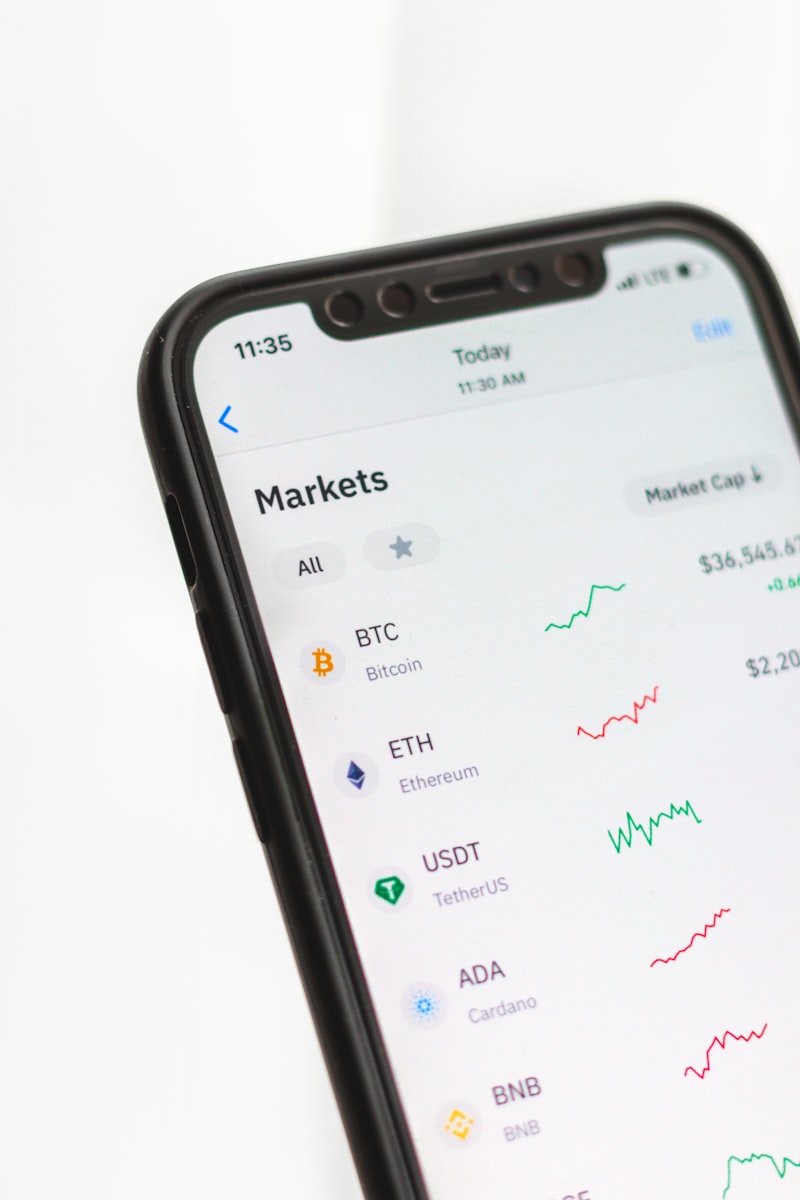
Algorithmic trading is gaining traction in the forex market, enabling traders to execute orders with precision and speed. Leveraging algorithms can provide a competitive edge, but understanding the underlying principles is crucial to success.
What is Forex Algorithmic Trading? Forex algorithmic trading involves using computer programs to automate trading strategies, executing trades at speeds and frequencies beyond human capabilities. This method allows for systematic trading based on predefined criteria.
Benefits of Algorithmic Trading Traders find several advantages in using algorithmic trading: - **Speed and Efficiency**: Algorithms can process vast amounts of data and execute trades in milliseconds. - **Emotional Detachment**: Automated trading reduces the psychological pressures associated with trading decisions, allowing for more disciplined approaches. - **Backtesting Capabilities**: Traders can test strategies against historical data to optimize performance before deployment in live markets.
Types of Algorithmic Trading Strategies Several approaches exist within algorithmic trading: • **Trend Following**: Algorithms identify and exploit market trends using technical indicators. • **Arbitrage**: Exploits price discrepancies between different markets or currency pairs. • **Market Making**: Provides liquidity by placing buy and sell orders simultaneously, profiting from the bid-ask spread.
Key Considerations for Algorithmic Traders Successful algorithmic trading requires careful consideration: 1. **Robust Strategy Development**: Traders must develop strategies that factor in market conditions and risk management. 2. **Infrastructure**: A reliable trading platform with minimal latency is essential for optimal performance. 3. **Continuous Monitoring**: Despite automation, traders need to monitor algorithm performance and adjust strategies as market conditions change.
Frequently Asked Questions **Is algorithmic trading suitable for all traders?** While it offers numerous advantages, algorithmic trading requires a solid understanding of programming and market analysis, making it more suitable for experienced traders.
**How do I develop an algorithmic trading strategy?** Start by defining your trading goals, selecting indicators, and backtesting your strategies on historical data to evaluate performance.
**What are the risks of algorithmic trading?** Potential risks include technical failures, unexpected market conditions, and reliance on historical data that may not predict future performance accurately.
The Bottom Line Algorithmic trading offers significant advantages in the forex market, enhancing speed, efficiency, and precision. However, it requires careful strategy development and ongoing monitoring to navigate its inherent risks successfully.
Tags
forex