Understanding Algorithmic Stablecoin Risks in Today's Market
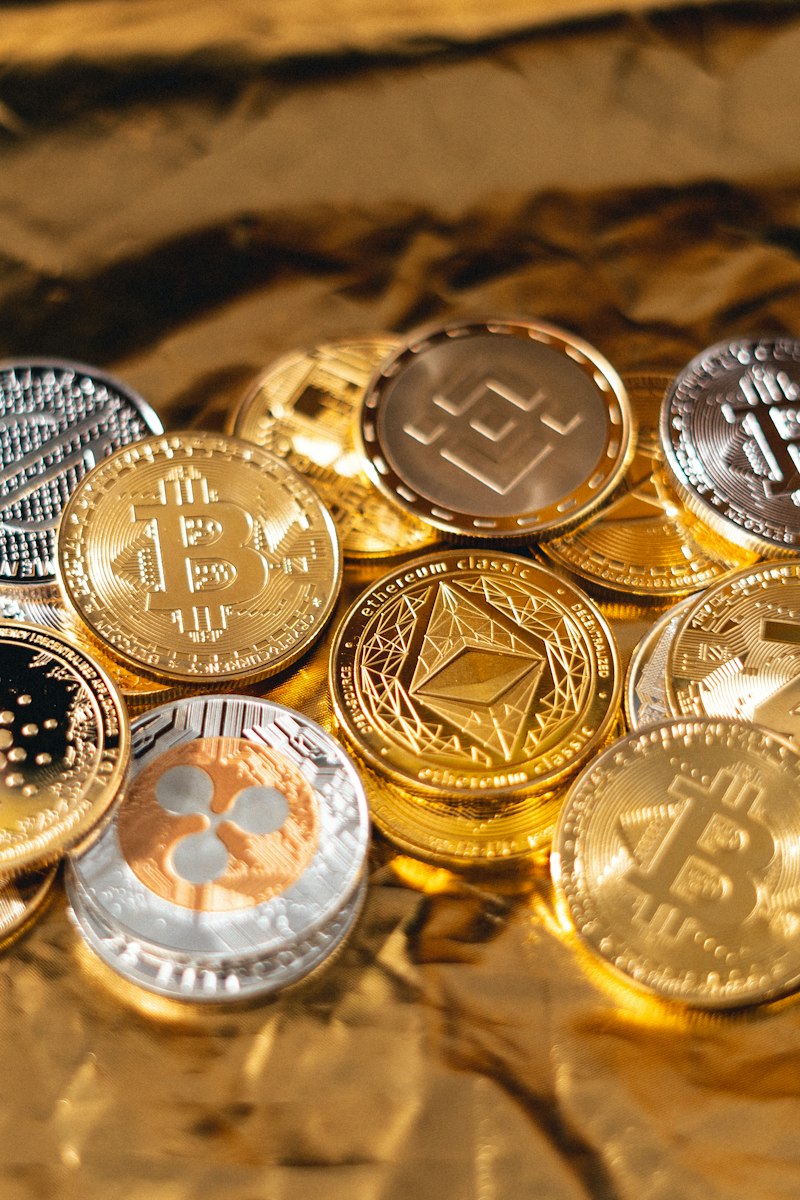
Algorithmic stablecoins have emerged as a novel financial product in the cryptocurrency market, aiming to maintain stable values without traditional collateral. However, their unique mechanisms come with inherent risks that investors and users must understand.
What are Algorithmic Stablecoins? Algorithmic stablecoins are cryptocurrencies that use algorithms and smart contracts to manage supply and demand, thereby stabilizing their price without the backing of assets. Notable examples include:
- **TerraUSD (UST)**: Once a top algorithmic stablecoin, its collapse in 2022 served as a cautionary tale. - **Frax Finance (FRAX)**: Combines elements of collateralized and uncollateralized stablecoins to achieve its value stabilization.
Mechanisms of Stability Algorithmic stablecoins maintain their value through various mechanisms, including:
- **Minting and Burning**: New coins are minted when demand rises and burned when demand falls, aiming to keep the price stable. - **Arbitrage Opportunities**: The system incentivizes traders to buy or sell the asset for profit when it deviates from its peg.
Recent Market Events and Impacts The collapse of TerraUSD highlighted the vulnerabilities of algorithmic stablecoins. Following its fall, the entire market for algorithmic stablecoins lost approximately $45 billion in value, leading to increased skepticism.
- **Investor Confidence**: The failure has made potential investors wary of similar products, questioning their stability in volatile markets. ## Assessing the Risks Investors should consider several critical risks associated with algorithmic stablecoins:
- **Market Manipulation**: The reliance on supply and demand dynamics can make these assets susceptible to market manipulation. - **Liquidity Issues**: In times of crisis, users may rush to withdraw, leading to liquidity crunches. - **Regulatory Scrutiny**: As seen with SEC actions, regulatory bodies are increasingly focusing on stablecoins, adding further uncertainty.
The Future of Algorithmic Stablecoins Despite the risks, algorithmic stablecoins may still find a niche in the market, particularly if they can address the vulnerabilities that have been exposed. Future innovations may include:
- **Enhanced Governance**: Implementing decentralized governance models to build trust and accountability. - **Hybrid Models**: Combining elements of both algorithmic and collateralized stablecoins to bolster stability.
Frequently Asked Questions
**How do algorithmic stablecoins maintain their peg?** They maintain their value through algorithms that adjust the supply based on demand. When more people want the stablecoin, new tokens are minted, and when demand decreases, tokens are burned.
**What was the impact of the TerraUSD collapse?** The collapse of TerraUSD had widespread repercussions, leading to significant financial losses, erosion of trust in algorithmic stablecoins, and increased scrutiny from regulators.
**Are algorithmic stablecoins safe to invest in?** While they offer innovative mechanisms for price stability, the risks associated with market dynamics and regulatory uncertainty mean they should be approached with caution.