Tokenomics Red Flags: Identifying Potential Pitfalls in Crypto Investments
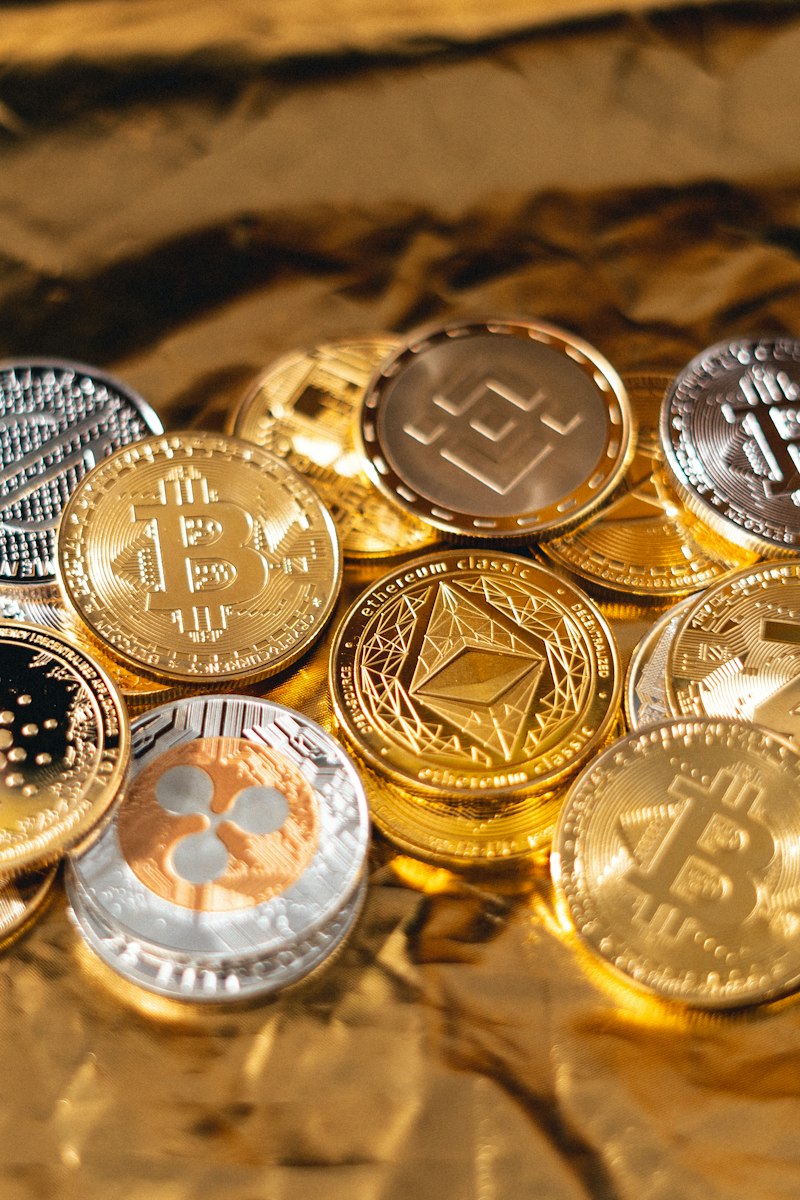
As the cryptocurrency market continues to mature, savvy investors are increasingly focusing on tokenomics—the economic model behind a cryptocurrency. Understanding tokenomics is paramount, as it can illuminate potential red flags that may indicate hidden risks in projects.
What Is Tokenomics? Tokenomics encompasses various factors, including supply, demand, distribution, and utility of a cryptocurrency. A well-structured tokenomics model can drive value and sustainability, while poorly designed tokenomics can lead to inflation, manipulation, and ultimately, project failure.
Key Red Flag Indicators Investors should be vigilant about several warning signs that can signal potential issues with a cryptocurrency's tokenomics. Notable indicators include:
- **High Inflation Rates**: Projects with excessive token minting can lead to inflation, diluting the value of existing tokens.
- **Poor Distribution Models**: Uneven token distribution among early investors and insiders can create centralization risks.
- **Lack of Utility**: Tokens that don’t have a clear use case within their ecosystem may struggle to maintain value.
Analyzing Token Supply A crucial aspect of tokenomics is understanding the total supply and circulating supply of a token. For instance, Bitcoin has a capped supply of 21 million tokens, while Ethereum has no such limit. Investors should evaluate:
- **Max Supply**: Determines scarcity
- **Circulating Supply**: Affects market dynamics and price behavior
Case Studies in Tokenomics Failures Several high-profile projects have encountered challenges due to flawed tokenomics:
- **Bitconnect**: A Ponzi scheme that offered unrealistic returns, ultimately leading to its collapse.
- **Titanium Blockchain**: Failed due to unsustainable tokenomics and lack of real-world application.
These examples emphasize the importance of assessing a project’s tokenomics before investing.
Due Diligence Best Practices To mitigate risks associated with tokenomics, investors should consider:
- **Thorough Research**: Analyze whitepapers and financial models.
- **Community Sentiment**: Engage with the community to gauge opinions on token utility.
- **Expert Assessments**: Utilize tools like Token Metrics and Messari to evaluate projects.
Frequently Asked Questions
**What should I look for in a token's supply?** Evaluate the max supply, circulating supply, and inflation rate to understand potential value changes over time.
**How can token utility impact its value?** A token with multiple use cases and demand in its ecosystem is more likely to retain and appreciate in value.
**Are all cryptocurrencies subject to tokenomics risks?** Yes, all cryptocurrencies exhibit tokenomics risks, but the severity varies based on their design and market conditions.
The Bottom Line Understanding tokenomics is essential for investors navigating the cryptocurrency space. By identifying red flags and conducting thorough due diligence, investors can better manage risks and make informed decisions.
---ARTICLE END---