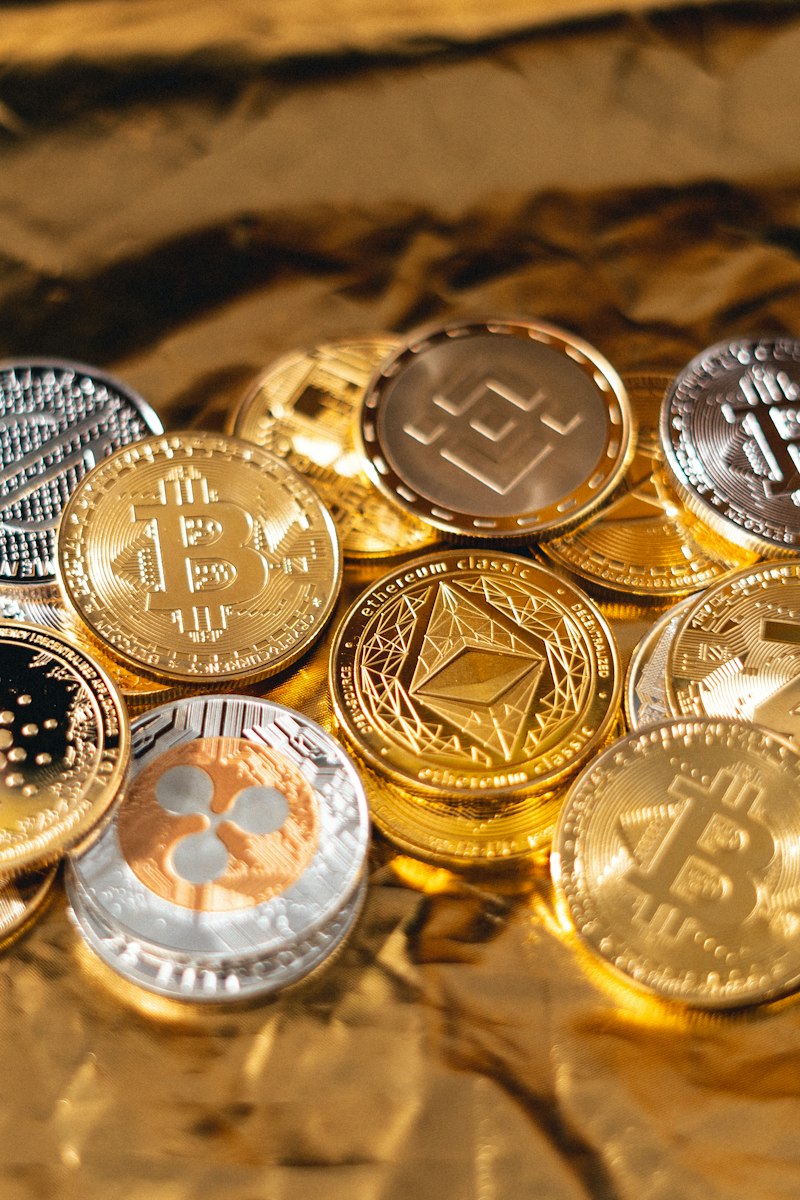
SEC's Growing Role in Cryptocurrency Regulation: Recent Actions Explained
The United States Securities and Exchange Commission (SEC) has stepped up its efforts in regulating the cryptocurrency market, leading to various enforcement actions that have sparked debate among industry stakeholders. Understanding the SEC's framework and its implications for crypto is essential for investors and developers alike.
The SEC’s Mandate The SEC is responsible for protecting investors, maintaining fair markets, and facilitating capital formation. As cryptocurrencies gain popularity, the SEC has scrutinized projects, focusing on whether digital assets qualify as securities under existing laws.
Major Enforcement Actions In 2023, the SEC has undertaken several significant enforcement actions, including:
- **Ripple Labs**: The ongoing case regarding XRP has raised questions about the regulatory status of token sales. - **Uniswap Labs**: The SEC’s investigation into the decentralized exchange platform has spotlighted the potential regulatory challenges for DeFi protocols. - **BlockFi**: This lending platform faced penalties for failing to register certain digital asset offerings as securities.
Impact on Market Sentiment The SEC’s enforcement actions have led to mixed reactions within the crypto community:
- **Increased Caution**: Many projects are now wary of launching new tokens without robust legal frameworks. - **Market Volatility**: Regulatory news tends to impact prices, often leading to short-term volatility.
The Future of Crypto Regulations The SEC’s aggressive stance signals an increasing trend toward stricter regulation of the cryptocurrency space. Some potential future measures could include:
- **Clearer Guidelines**: The SEC may provide more explicit definitions of what constitutes a security within the crypto context. - **Increased Reporting Requirements**: Expectation of more transparency from crypto enterprises regarding their operations and offerings.
Calls for a Comprehensive Regulatory Framework Industry leaders are advocating for a more cohesive regulatory framework that balances innovation with investor protection. Key points of discussion include:
- **Clarity**: Well-defined regulations can help foster market growth while protecting investors. - **Global Standards**: Collaboration with international regulatory bodies could lead to a more harmonious regulatory environment for cryptocurrencies.
Frequently Asked Questions
**What constitutes a security in the context of cryptocurrency?** A security is a financial instrument that represents ownership in a company or asset. The SEC assesses whether a cryptocurrency meets these criteria, particularly regarding investment contracts.
**How do SEC actions affect cryptocurrency prices?** SEC enforcement actions can lead to increased market volatility as investors respond to regulatory news that may affect the legality or viability of projects.
**What should crypto projects do to comply with SEC regulations?** Developers should consult legal advisors to ensure that their projects align with existing regulations, potentially registering their tokens as securities or clarifying their utility to avoid classification as securities.