Navigating the Altcoin Season: Strategic Rotations Explained
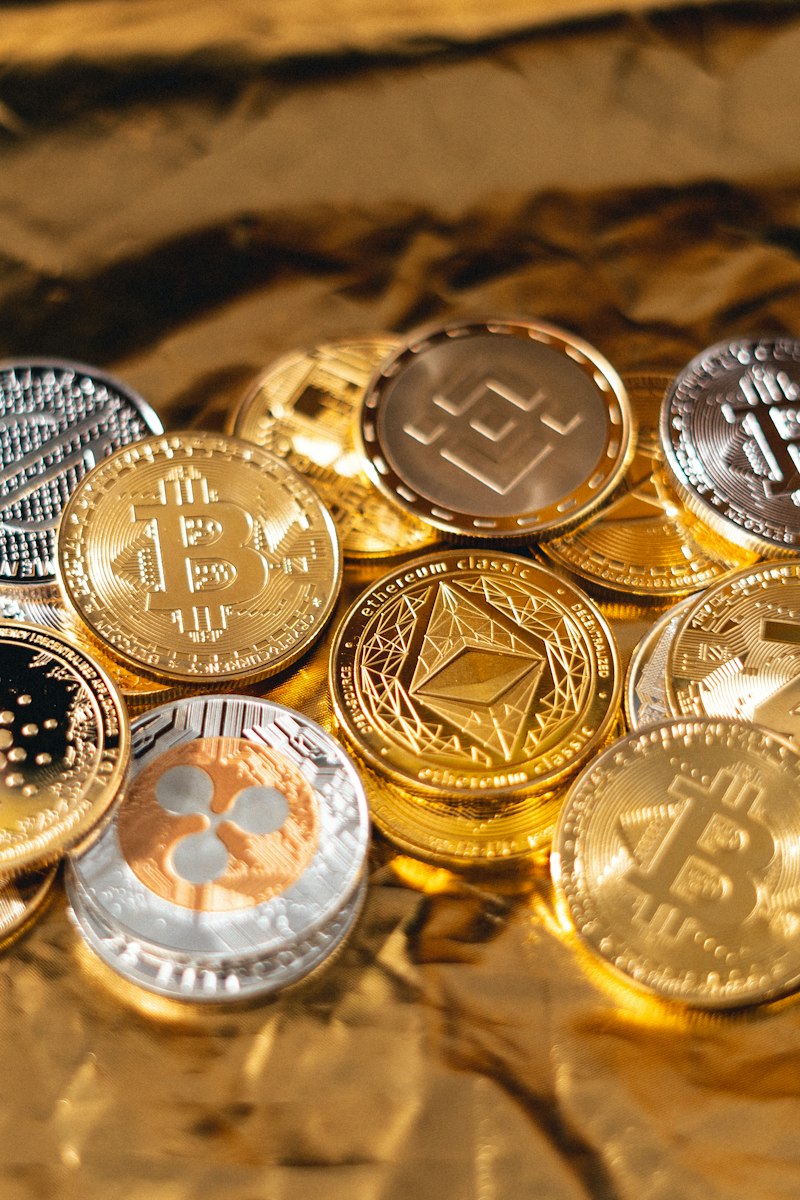
The cryptocurrency market is notoriously volatile, but seasoned investors often find ways to navigate its ebbs and flows. One of the strategies that's gaining traction is the altcoin season rotation. This method allows investors to capitalize on the fluctuations in market sentiment toward alternative cryptocurrencies, or altcoins, during specific periods throughout the crypto cycle.
Understanding Altcoin Season Altcoin season refers to a period when altcoins outperform Bitcoin, often leading to substantial gains for investors who pivot away from Bitcoin. Recognizing this phase requires keen market awareness and timely decision-making. The rotation strategy involves:
- Monitoring Bitcoin's market dominance
- Evaluating altcoin performance metrics
- Timing entry and exit points based on historical trends
According to data from CoinMarketCap, during the last altcoin season in Q1 2021, altcoins saw an average increase of 220%, while Bitcoin gained only 80%.
Key Indicators of Altcoin Season Identifying when an altcoin season is approaching can be challenging. However, several metrics can assist investors in their decision-making process:
- **Bitcoin Dominance**: A decline in Bitcoin's market cap percentage typically signals a shift to altcoins.
- **Social Media Sentiment**: An uptick in discussions around altcoins can forecast growing interest.
- **Technical Analysis**: Chart patterns that indicate bullish momentum in altcoins can validate entry points.
Historical Performance and Seasonal Trends To craft an effective rotation strategy, investors should analyze historical performance data. Past cycles showed that altcoin season often occurs after Bitcoin achieves a significant price rally. For instance, during 2017's bull run, Bitcoin peaked in December, with altcoins following suit shortly thereafter.
Diversifying Your Portfolio An effective rotation strategy doesn't mean abandoning Bitcoin entirely. Investors should consider a balanced approach, allocating a certain percentage to cryptocurrencies like Ethereum, Cardano, and Solana, which have demonstrated strong potential for growth.
- **Bitcoin**: 30%
- **Ethereum**: 30%
- **Promising Altcoins**: 40%
This diversified allocation enables participation in altcoin growth while maintaining exposure to Bitcoin's stability.
Risks and Considerations While altcoin seasons can present lucrative opportunities, they are not devoid of risks. It is important to remain cautious of:
- **Market Volatility**: Sudden price drops can occur without warning.
- **Project Viability**: Investing in lesser-known altcoins carries the risk of project failure.
- **Liquidity Issues**: Some altcoins may face challenges in trading volumes, leading to potential losses during rapid sell-offs.
Frequently Asked Questions
**What triggers an altcoin season?** An altcoin season is typically triggered by a decline in Bitcoin's market dominance and heightened investor interest in alternative cryptocurrencies, often fueled by market sentiment or significant technological developments.
**How can I identify the right altcoins to invest in?** Investors should look for altcoins with solid fundamentals, active development teams, and strong community support. Tools like CoinGecko and Grayscale's research reports can provide insights into potential candidates.
**Is it advisable to invest solely in altcoins?** While investing in altcoins can yield substantial returns during favorable market conditions, a balanced portfolio that includes Bitcoin can mitigate risks associated with volatility.