Navigating Forex Broker Regulations: What Every Trader Should Know
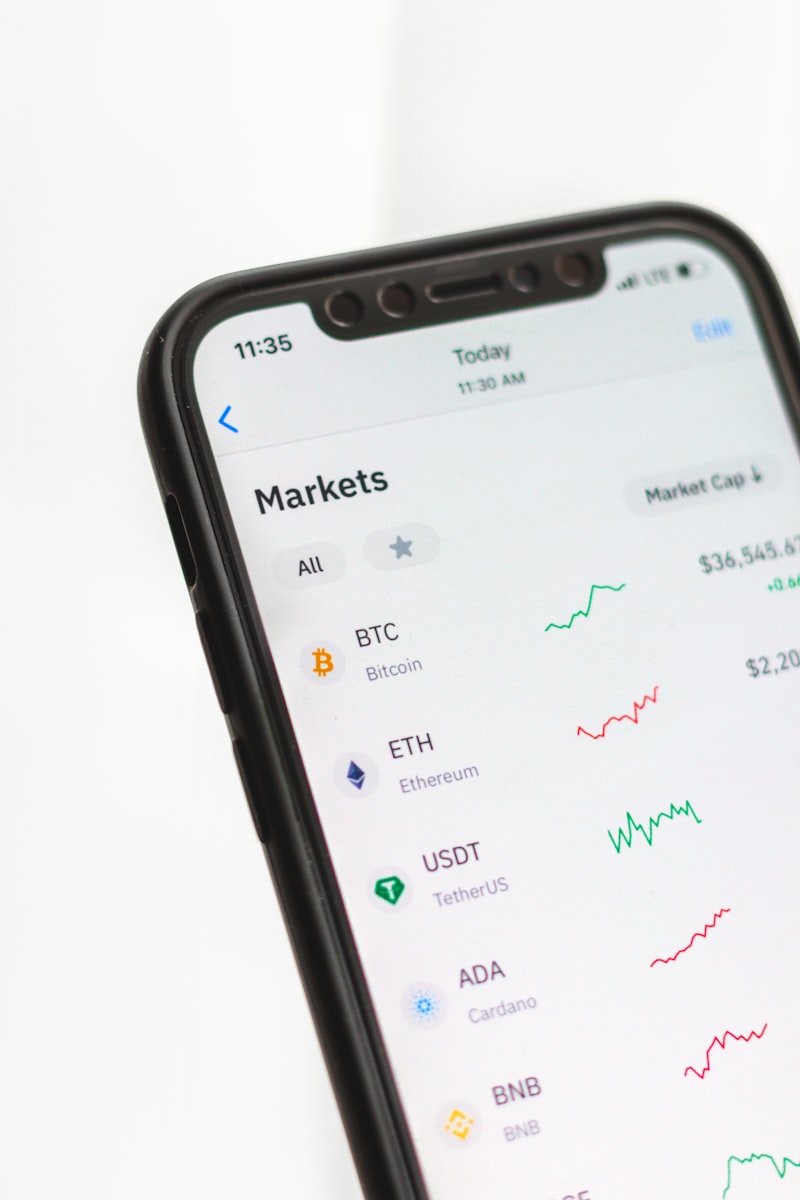
Selecting a Forex broker is a fundamental step for traders, but navigating the regulatory landscape can often be daunting. Understanding how broker regulations work is crucial in ensuring security and fostering a successful trading experience.
The Importance of Regulation in Forex Trading Regulation serves as a protective measure for traders. Regulated brokers are required to adhere to strict guidelines aimed at ensuring:
- **Client Fund Safety**: Regulations often mandate segregation of client funds, meaning your capital is kept separate from the company’s operational funds. - **Transparency**: Regulated brokers must provide clear information regarding fees, commissions, and trading conditions.
For instance, brokers in the United States are regulated by the National Futures Association (NFA), ensuring high standards of practice.
Key Regulatory Bodies Around the Globe Different countries have various regulatory bodies overseeing forex trading, each with its own set of rules and standards. Some notable regulators include:
- **Financial Conduct Authority (FCA)** in the UK: Known for its stringent oversight, the FCA protects traders and ensures market integrity. - **Securities and Exchange Commission (SEC)** in the U.S.: While primarily focused on securities, the SEC also influences Forex trading regulations. - **Australian Securities and Investments Commission (ASIC)**: In Australia, ASIC ensures that brokers adhere to fair trading practices. Understanding the specific requirements of these regulations can aid traders in choosing reputable brokers.
How to Identify a Regulated Forex Broker When selecting a Forex broker, verifying its regulatory standing is essential. Here’s how to do it:
- **Check Regulatory Websites**: Each regulating authority maintains a list of licensed brokers. For example, the FCA's website lists all registered entities. - **Review Broker Disclosures**: Legitimate brokers provide clear and accessible disclosures regarding their regulatory compliance.
The Risks of Unregulated Brokers Opting for an unregulated broker can lead to significant risks, including:
- **Fraud and Mismanagement**: Unregulated brokers may not have proper oversight, leading to potential fraud. - **Lack of Recourse**: In cases of disputes, traders have limited or no avenues for legal recourse against unregulated entities.
Traders should be cautious and conduct thorough due diligence to avoid these pitfalls.
Recent Trends in Forex Broker Regulations The regulatory landscape in Forex trading is evolving, with trends indicating:
- **Increased Scrutiny**: Regulatory bodies are tightening rules around leverage, advertising practices, and client fund protection. - **Global Harmonization**: Efforts are underway to establish consistent global standards, simplifying the process for traders navigating international brokers.
Frequently Asked Questions
**What should I look for in a Forex broker's regulation?** Ensure that the broker is regulated by a recognized authority, which guarantees adherence to strict financial standards.
**Are all regulated brokers safe?** While regulation increases safety, it’s essential to conduct further research on the broker’s reputation and track record.
**How do regulations affect trading conditions?** Regulations can influence leverage limits, margin requirements, and overall trading fees, impacting how you trade.