Meme Coins to Watch: Advanced Strategies for Maximizing Gains
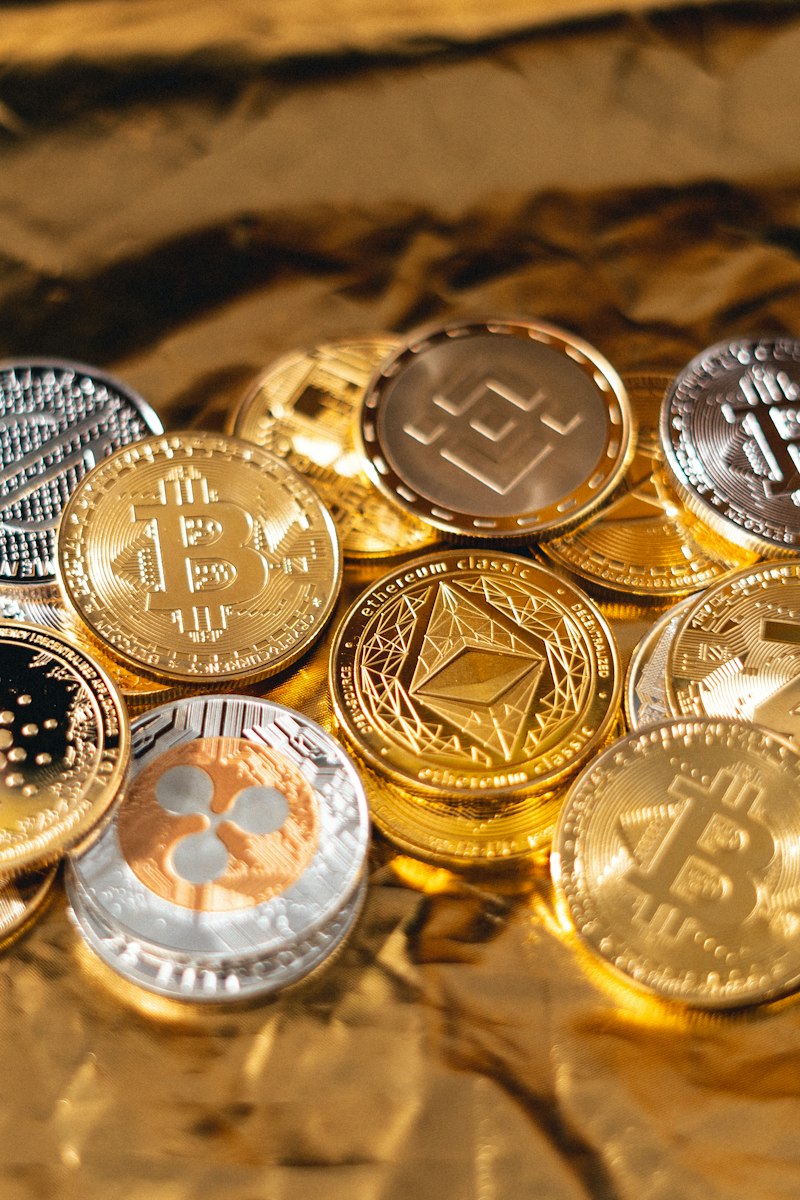
As the cryptocurrency market evolves, meme coins have carved out a niche that attracts both casual investors and seasoned traders. With the right approach, these playful tokens can yield significant returns. In this article, we'll explore advanced strategies for investing in meme coins to help you identify the best opportunities and enhance your portfolio.
Understanding Meme Coins
Meme coins originated as fun, community-driven cryptocurrencies, often inspired by internet memes. While Bitcoin and Ethereum remain serious investments, meme coins like Dogecoin and Shiba Inu leverage community engagement for market momentum.
Key Characteristics of Meme Coins:
- Community-Driven: Success often hinges on social media buzz and community involvement.
- High Volatility: Prices can swing dramatically based on sentiment.
- Speculative Nature: Often lack fundamental value, making them suitable for experienced investors only.
Advanced Strategies for Investing in Meme Coins
1. Research and Due Diligence
Before diving into any meme coin investment, conducting thorough research is crucial. Look into:
- Project Team: Who are the developers? What’s their track record?
- Community Activity: Active communities can drive price movements.
- Market Sentiment: Gauge social media sentiment using tools like Google Trends and Twitter analytics.
2. Diversification
Don't put all your eggs in one basket. Spread your investments across several meme coins to mitigate risks. Consider:
- Investing in established meme coins (e.g., Dogecoin).
- Allocating a smaller percentage to emerging coins with potential.
| Meme Coin | Market Cap | Community Size | Price Volatility (Last Month) |
|---|---|---|---|
| Dogecoin | $25 Billion | 3 million+ | High |
| Shiba Inu | $15 Billion | 1.2 million+ | Very High |
| New Memecoin | $500 million | 100,000+ | Moderate |
3. Leverage Technical Analysis
Utilize technical analysis tools to identify entry and exit points. Important indicators include:
- Moving Averages: Helps determine trend directions.
- RSI (Relative Strength Index): Overbought/oversold conditions.
- Volume Analysis: Strong volume can indicate upcoming price movements.
4. Stay Updated on Trends
Meme coins often depend on trends and news cycles. Join forums and follow influencers who specialize in crypto. Regularly check:
- Reddit communities (like r/CryptoCurrency).
- Twitter feeds from influential crypto analysts.
Related Articles
- How to Use a Hardware Wallet Ledger: A Step-by-Step Guide
- Are Meme Coins Worth Investing in 2023? A Comprehensive Guide
- How to Buy Bitcoin: The Latest Data and Steps for New Investors
- How to Set Up Prometheus and Grafana Monitoring Stack
Explore more in our Cryptocurrency section or try our free financial tools.
FAQ
Q: Can I lose all my money investing in meme coins?
A: Yes, meme coins are highly speculative, and their prices can plummet just as quickly as they rise. Always invest only what you can afford to lose.
Q: Is there a safe way to invest in meme coins?
A: Implementing a diversified strategy and using a small portion of your overall crypto portfolio can reduce risks while still allowing you to participate in the meme coin market.
Bottom Line
Meme coins can be a fun and potentially lucrative addition to your cryptocurrency portfolio. By employing advanced strategies such as thorough research and diversification, you can position yourself for success in this volatile segment of the market. Remember to stay updated and adapt your strategies as trends change. Happy investing!
---
ARTICLE_START---
TITLE: Crypto Portfolio Strategy: Advanced Strategies for Optimal Growth
CONTENT:
Building a robust cryptocurrency portfolio requires more than just picking a few coins and hoping for the best. A well-structured crypto portfolio strategy can enhance your chances for long-term success. In this article, we’ll outline advanced strategies that can provide a solid foundation for your crypto endeavors.
The Importance of a Crypto Portfolio
A crypto portfolio is a collection of various cryptocurrencies that an investor holds. The primary goal is to create a balanced investment that maximizes returns while mitigating risks.
Key Elements of a Strong Crypto Portfolio:
- Diversification: Spreading investments across various assets.
- Risk Management: Identifying potential risks and limiting exposure.
- Regular Assessment: Continuously evaluating performance and market conditions.
Advanced Strategies for Crafting Your Crypto Portfolio
1. Assess Your Risk Tolerance
Understanding your risk tolerance is the first step in creating an effective portfolio. Consider these factors:
- Investment Goals: Are you investing for short-term gains or long-term stability?
- Market Volatility: High-risk investors may thrive on volatility, while conservative investors may prefer stability.
2. Asset Allocation
A well-balanced portfolio often consists of a mix of:
- Established Coins: Like Bitcoin and Ethereum for stability.
- Emerging Coins: Such as DeFi tokens or lesser-known altcoins for growth potential.
| Asset Type | Example Coins | Risk Level |
|---|---|---|
| Stablecoins | USDT, USDC | Low |
| Established Coins | Bitcoin, Ethereum | Moderate |
| Emerging Altcoins | Polkadot, Chainlink | High |
3. Use Dollar Cost Averaging (DCA)
Dollar cost averaging is a proven strategy for reducing the impact of volatility. By consistently investing a fixed amount over time, you can:
- Lower the average purchase price.
- Avoid the pitfalls of timing the market.
4. Regular Portfolio Rebalancing
Market conditions change, and so should your portfolio. Set a schedule (e.g., quarterly) to evaluate and rebalance your investments to maintain your desired asset allocation.
FAQ
Q: How much should I invest in cryptocurrencies?
A: Your crypto investment should be a small percentage of your total portfolio, typically between 5% to 15%, depending on your risk tolerance.
Q: What if the market crashes?
A: Keep a long-term perspective. Volatility is inherent in crypto markets. Regular assessment and a solid strategy can help you withstand significant downturns.
Bottom Line
An effective crypto portfolio strategy can significantly impact your investment success. By assessing risk tolerance, diversifying assets, implementing dollar cost averaging, and regularly rebalancing your portfolio, you can maximize growth while managing risks. Focus on educating yourself and adapting to market changes.
---ARTICLE_END---
---
ARTICLE_START---
TITLE: Dollar Cost Averaging Crypto: Advanced Strategies to Maximize Your Investment
CONTENT:
Dollar Cost Averaging (DCA) is a popular investment strategy that can be particularly effective in the volatile world of cryptocurrency. By spreading your investments over time, you can reduce the overall impact of market fluctuations. In this article, we'll delve into advanced strategies for employing DCA in your crypto investments.
What is Dollar Cost Averaging?
Dollar Cost Averaging involves investing a fixed amount of cryptocurrency at regular intervals, regardless of the asset's price at that time. This strategy can help you avoid the emotional pitfalls of investing based on market conditions.
Benefits of DCA:
- Reduces Market Timing Risks: Lessens the impact of poor timing.
- Simplicity: Easy to implement and requires lower emotional involvement.
- Disciplined Investing: Encourages consistency and a long-term perspective.
Advanced Strategies for Dollar Cost Averaging in Crypto
1. Set a Regular Investment Schedule
Determine a fixed interval for your DCA strategy. Common schedules include:
- Weekly
- Monthly
- Bi-weekly
2. Choose Your Investment Amount Wisely
Deciding how much to invest is crucial. Consider your financial situation and aim for amounts that won’t strain your budget. Aim for:
- 5-10% of your monthly income for new investors.
- Adjust higher or lower as your confidence and market familiarity grow.
3. Diversify Your Crypto Investments
Implement DCA across multiple assets rather than just one. This reduces risk while also establishing a more balanced portfolio. Consider:
- Major cryptocurrencies (Bitcoin, Ethereum)
- Promising altcoins (Cardano, Solana)
| DCA Strategy Type | Example Investments | Risk Level |
|---|---|---|
| Conservative DCA | Bitcoin, USDC | Low |
| Balanced DCA | Bitcoin, Ethereum, Solana | Moderate |
| Aggressive DCA | Emerging Altcoins | High |
4. Monitor and Adapt
While DCA is primarily a set-and-forget strategy, keeping an eye on your investments is essential. Market conditions might necessitate adjustments to your DCA amounts or frequency.
FAQ
Q: Is DCA the best strategy for crypto investing?
A: While DCA is effective for many, it's essential to combine it with research and a comprehensive investment plan for optimal results.
Q: What if I want to invest a lump sum instead?
A: If you choose a lump-sum investment, ensure you are comfortable with the potential volatility. If you're unsure, DCA can offer a safer approach.
Bottom Line
Dollar Cost Averaging is a powerful strategy for navigating the cryptocurrency market's volatility. By setting a regular investment schedule, selecting an appropriate investment amount, and diversifying your holdings, you can maximize your investment potential. Stay informed and adapt as necessary to achieve your financial goals.
---ARTICLE_END---
---
ARTICLE_START---
TITLE: Crypto Market Cap Explained: Advanced Strategies for Evaluating Opportunities
CONTENT:
Understanding market capitalization is crucial for evaluating cryptocurrencies. In this article, we'll explain what market cap means and provide advanced strategies for using market cap to inform your investment decisions.
What is Crypto Market Cap?
Market capitalization, or market cap, is the total value of a cryptocurrency, calculated by multiplying the current price by the total supply in circulation. It helps investors assess the size and stability of various cryptocurrencies.
Market Cap Categories:
- Large Cap: Coins with a market cap over $10 billion (e.g., Bitcoin).
- Mid Cap: Coins between $1 billion and $10 billion (e.g., Cardano).
- Small Cap: Coins under $1 billion (e.g., emerging altcoins).
Advanced Strategies for Using Market Cap in Crypto Investments
1. Analyze Market Cap Trends
Tracking market cap trends can provide valuable insights. Look for:
- Sudden spikes or drops in market cap.
- Historical performance correlations with price changes.
2. Incorporate Market Cap into Your Investment Strategy
- Large Cap: Start with a foundation of large-cap investments for stability.
- Mid and Small Cap: Allocate a smaller portion to mid and small-cap coins for potential high growth.
| Market Cap Category | Potential Risks | Investment Potential |
|---|---|---|
| Large Cap | Lower volatility | Stable returns |
| Mid Cap | Moderate volatility | Balanced growth |
| Small Cap | High volatility | High risk, high rewards |
3. Watch for Market Sentiment
Market cap can be influenced by public sentiment. Use social media platforms to:
- Gauge community feelings on specific coins.
- Monitor influential figures and their assessments.
4. Regular Portfolio Review
Adjust your portfolio based on shifts in market capitalization and trends. For example, if a small-cap coin gains traction, consider reallocating funds to capitalize on its growth.
FAQ
Q: How can I find a coin's market cap?
A: You can find live market cap data on platforms like CoinMarketCap or CoinGecko, which track real-time pricing and total supply.
Q: Should I only invest in large-cap coins?
A: Not necessarily. While large-cap coins offer stability, incorporating mid and small-cap coins can enhance growth potential, bringing balance to your portfolio.
Bottom Line
Understanding and leveraging market capitalization is vital for making informed cryptocurrency investments. By analyzing market cap trends, incorporating it into your investment strategy, and maintaining a balanced portfolio, you can enhance your chance for long-term success in the crypto market.
---ARTICLE_END---
---
ARTICLE_START---
TITLE: Decentralized Exchanges: Advanced Strategies for Trading Success
CONTENT:
Decentralized exchanges (DEXs) have transformed the world of cryptocurrency trading by allowing users to trade directly without intermediaries. In this article, we'll explore advanced strategies for maximizing your trading success on decentralized platforms.
What are Decentralized Exchanges?
Decentralized exchanges facilitate peer-to-peer trading using blockchain technology. They eliminate the need for a centralized authority, enhancing privacy and control over your assets.
Key Features of DEXs:
- User Control: Traders maintain control of their private keys.
- Anonymity: No need for identity verification processes.
- Reduced Reliance on Central Authorities: Minimizes the risk of hacks on centralized platforms.
Advanced Strategies for Trading on Decentralized Exchanges
1. Understand the DEX Landscape
Familiarize yourself with popular DEX platforms, such as:
- Uniswap: Known for its automated market-making (AMM) model.
- SushiSwap: Offers unique features like staking rewards.
2. Utilize Liquidity Pools
Participating in liquidity pools can generate income through trading fees. Consider these strategies:
- Contributing to pools with stable trading volumes to minimize impermanent loss.
- Researching annual percentage yields (APYs) to find lucrative pools.
3. Monitor Gas Fees
Trading on DEXs often incurs gas fees, especially on Ethereum. To optimize costs, consider:
- Trading during off-peak hours when fees are lower.
- Using Layer 2 solutions to reduce transaction costs.
| DEX Platform | Unique Features | Typical Gas Fees |
|---|---|---|
| Uniswap | AMM | Moderate to High |
| SushiSwap | Staking rewards | Moderate |
| PancakeSwap | Lower fees on BSC | Low |
4. Use Trading Bots
Automate your trading on DEXs using trading bots. These can:
- Execute trades based on pre-set criteria.
- Monitor market conditions in real-time.
FAQ
Q: What are the risks of using DEXs?
A: DEXs can face risks such as smart contract vulnerabilities, liquidity issues, and market volatility. Always conduct thorough research before trading.
Q: How do I transfer my assets to a DEX?
A: Transfer your crypto assets from a centralized exchange to your wallet, then connect your wallet to the DEX platform you choose.
Bottom Line
Decentralized exchanges present a unique opportunity for traders to engage in the cryptocurrency market without centralized control. By understanding the DEX landscape, utilizing liquidity pools, monitoring gas fees, and implementing trading bots, you can maximize your trading success in this innovative arena. Stay informed, and always prioritize security in your trading strategies.
---ARTICLE_END---