Mastering Forex Scalping: A Strategy for Quick Gains
Michael Thompson··3 min read·Source: MarketPulse Editorial
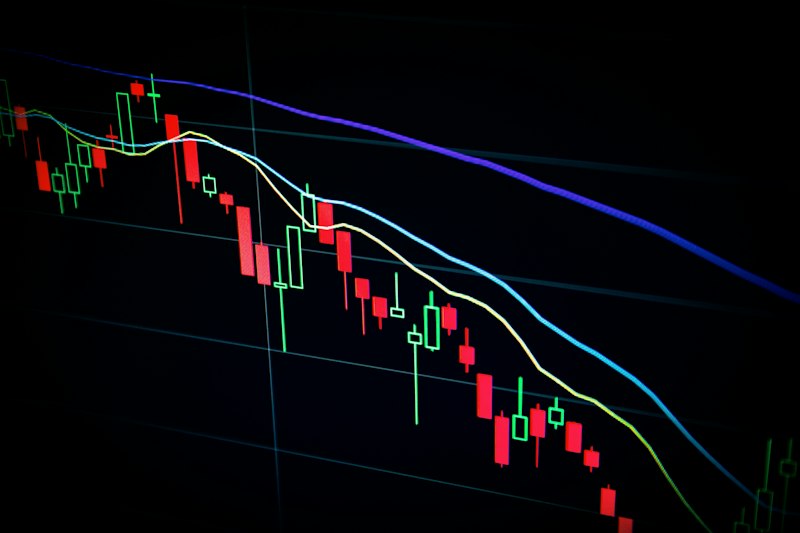
Forex scalping presents an enticing opportunity for traders seeking quick profits in a fast-paced environment. This strategy relies on making a large number of small trades throughout the day, capitalizing on minor price movements.
What is Forex Scalping? Scalping involves executing brief trades, typically lasting from seconds to a few minutes. Traders aim to capture small price changes, often targeting a profit of just a few pips per trade. Experienced scalpers can complete dozens or even hundreds of trades in a day, emphasizing volume over the size of individual profits.
Ideal Market Conditions Successful scalping hinges on certain market conditions: - **High Liquidity**: Trading major currency pairs like EUR/USD or USD/JPY allows for quick entry and exit. - **Low Spreads**: A tight spread minimizes transaction costs, essential for scalpers to remain profitable. - **Volatile Markets**: Scalpers thrive on volatility, using price fluctuations to their advantage.
The Tools of the Trade Scalpers often employ specific tools: • **Real-Time Charts**: To identify short-term price movements and patterns. • **Economic Calendars**: To stay updated on scheduled news releases that could create volatility. • **Trading Bots**: Automated trading systems can execute orders at speeds unattainable by humans.
Developing a Scalping Strategy A coherent scalping strategy incorporates several elements: 1. **Entry and Exit Points**: Define clear criteria for entering and exiting trades. 2. **Risk Management**: Set tight stop-loss orders to minimize potential losses. 3. **Time Management**: Determine when to trade, as not all hours are equally lucrative.
Analyzing Scalping Performance To assess the effectiveness of a scalping strategy, traders should: - Track win/loss ratios. - Calculate average pips gained per trade. - Evaluate overall profitability after accounting for transaction costs.
Frequently Asked Questions **What is the ideal time frame for scalping?** Most scalpers operate on 1-minute to 5-minute charts, allowing them to make rapid decisions based on price volatility.
**Can scalping work in a ranging market?** Yes, but it can be less effective; scalpers typically prefer trending markets to maximize the number of profitable trades.
**What are the risks associated with scalping?** Scalping can be risky due to brokerage fees, potential overtrading, and the need for rapid decision-making under pressure.
The Bottom Line Forex scalping can yield quick profits in a high-speed trading environment, but it demands a disciplined approach, sound risk management, and an understanding of market dynamics. For those prepared to put in the time, scalping can be a rewarding trading strategy.
Tags
forex