Mastering Forex Algorithmic Trading: A Modern Approach to FX Markets
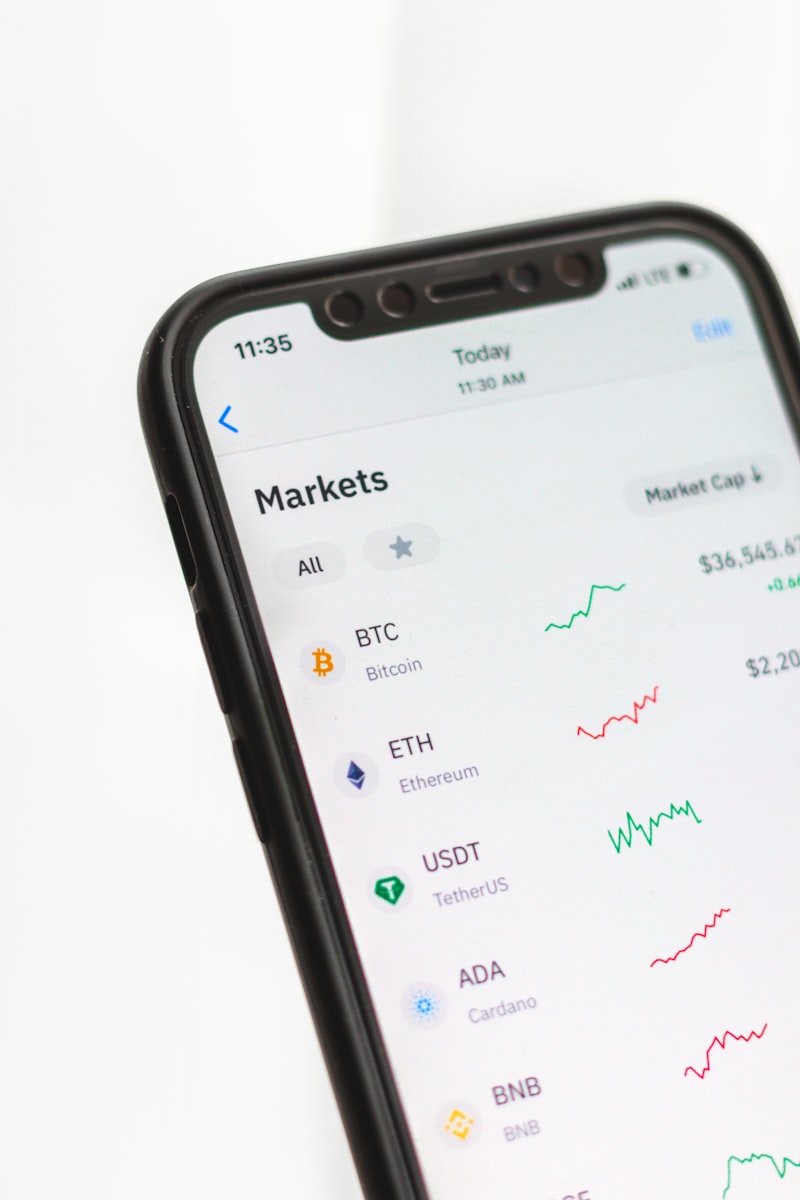
Algorithmic trading has revolutionized the Forex markets, enabling traders to execute strategies with precision and speed. As the digital landscape continues to evolve, understanding the mechanics behind forex algorithmic trading is imperative for anyone looking to stay ahead in this competitive environment.
What is Forex Algorithmic Trading?
Forex algorithmic trading refers to the use of automated programs to make trading decisions in the FX market. These algorithms analyze market data, identify potential trading opportunities, and execute trades—all at lightning speed. This method minimizes human error and emotional trading, often resulting in more disciplined and effective trading strategies.
Key benefits of algorithmic trading include:
- **Speed**: Algorithms can react to market changes in milliseconds.
- **Precision**: Trades are executed at predefined prices and conditions.
- **Consistency**: Algorithms follow a defined strategy without deviation.
- **Ability to backtest**: Traders can test strategies using historical data before live trading.
The Types of Algorithms in Forex Trading
There are several types of algorithms that traders can employ, each serving distinct purposes:
- **Trend-following algorithms**: Identify and exploit market trends.
- **Mean-reversion algorithms**: Bet on price reversals to the mean.
- **Statistical arbitrage**: Exploit pricing inefficiencies between correlated pairs.
- **News-based trading algorithms**: Respond to economic news or events.
- **High-frequency trading (HFT)**: Focus on making numerous trades at extremely high speeds.
Building Your Own Forex Trading Algorithm
Constructing an algorithmic trading system involves several steps:
- **Define your strategy**: Determine the hypothesis that your algorithm will test.
- **Choose a programming language**: Languages like Python or C++ are popular for creating trading algorithms.
- **Backtest your algorithm**: Using historical data, evaluate how well your algorithm would have performed in the past.
- **Implement risk management**: Include stop-loss and take-profit parameters to manage risk.
- **Go live**: Once you're satisfied with backtesting results, deploy your algorithm in a live trading environment.
The Risks of Algorithmic Trading
While algorithmic trading offers numerous advantages, it isn’t without risks:
- **Technical failures**: System outages or software bugs can lead to significant losses. - **Overfitting**: An algorithm that is too finely tuned to historical data may not perform well in live environments. - **Market impact**: Large orders executed by algorithms can potentially move the market. ## Best Practices for Algorithmic Trading Success
To leverage the benefits of algorithmic trading effectively, adhere to these best practices:
- **Continuous monitoring**: Regularly assess the performance of your algorithms. - **Adapt to market conditions**: Be prepared to modify algorithms as market dynamics change. - **Diversify strategies**: Utilize multiple algorithms to spread risk across various strategies and market conditions.
Frequently Asked Questions
**What programming languages are best for forex algorithmic trading?** Python and C++ are among the most popular due to their efficiency and extensive libraries for statistical and mathematical computations.
**What is backtesting, and why is it important?** Backtesting involves testing a trading strategy on historical data to evaluate its potential performance. It helps identify the viability of a trading algorithm before real money is on the line.
**Can I use algorithms for news trading?** Yes, there are specific algorithms designed to analyze economic news releases and execute trades based on expected market reactions.
The Bottom Line
Forex algorithmic trading represents a significant evolution in how traders approach the FX markets. By understanding its benefits, risks, and best practices, traders can harness the power of technology to enhance their trading performance. As the landscape continues to shift, those who adopt algorithmic strategies may find themselves well-positioned for success in an increasingly complex trading environment.