Gaps in the Market: Pre-Market Gap Analysis Explained
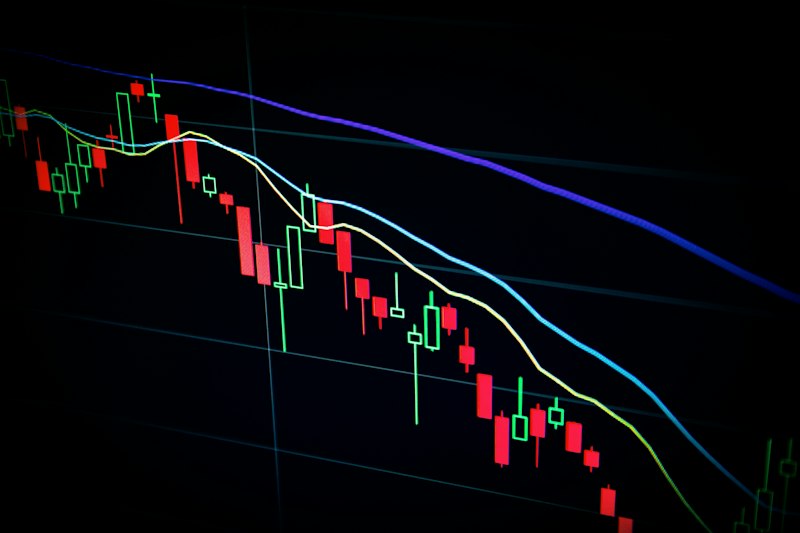
Pre-market trading is a dynamic landscape, often giving keen traders an early glimpse into market sentiment ahead of the regular session. Recognizing gap movements and their implications can significantly impact investment strategies.
What is Pre-Market Gap Analysis? Pre-market gap analysis refers to observing the price differences between a stock's last closing price and its opening price during the next trading session. A “gap” occurs when there’s a significant change, which might arise from overnight news, economic data releases, or earnings reports.
### Types of Gaps 1. **Common Gaps**: These gaps are usually insignificant and often fill quickly during regular trading hours. They don't generally indicate strong price movement.
- **Breakaway Gaps**: These occur at the start of a new trend and can signify a strong move. For instance, in early October 2023, a biotech firm announced a groundbreaking drug discovery, leading to a gap up of 20%.
- **Exhaustion Gaps**: These typically signal the end of a strong trend. Traders should exercise caution as these gaps can precede reversals.
### Recent Pre-Market Trends On October 3, 2023, pre-market trading highlighted significant activity in a renewable energy stock, which gapped up by 15% due to new legislation favoring sustainable energy initiatives. This excitement translated into a robust opening session, rallying another 10% within the first hour of trading.
### Analyzing Pre-Market Gaps Understanding the underlying reasons for gaps can provide insights into market psychology: - **News Events**: Major announcements can trigger significant movements, yet not all gaps are created equal. - **Market Sentiment**: Gaps can either confirm existing trends or signal potential reversals, influencing trading decisions.
### Strategies for Investors To effectively utilize gap analysis: - Monitor pre-market trading for price movements. - Analyze the news behind the gaps. - Adjust your trading strategy based on the strength or weakness of the gap.
Frequently Asked Questions **What does it mean when a stock gaps up or down?** A gap up means a stock opened at a higher price than the previous close; a gap down indicates the opposite.
**How can I identify significant gaps?** Look for gaps accompanied by high trading volumes or strong news catalysts, as these are more likely to sustain.
**Are gaps always filled in the future?** While many gaps eventually fill, not all do. Understanding the type of gap can help predict this behavior.