Gaining an Edge: Understanding Forex Algorithmic Trading
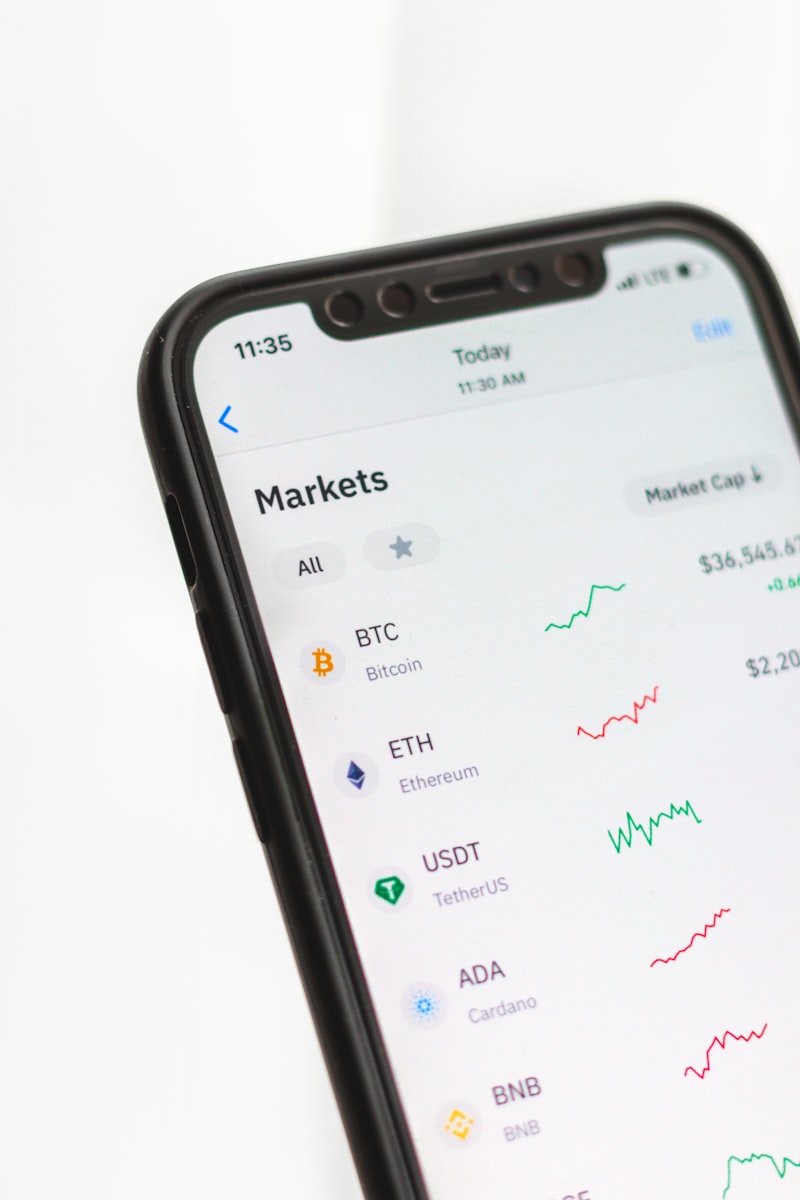
Algorithmic trading in the Forex market has revolutionized how traders approach the dynamic currency pairs. With the ability to analyze data and execute trades with precision and speed, algorithmic trading offers distinct advantages over traditional trading methods.
What is Algorithmic Trading? Algorithmic trading involves using computer programs to automate trading decisions based on predefined criteria. Commonly used by institutional investors, it is becoming increasingly popular among retail traders looking for efficiency.
### Key Features of Forex Algorithmic Trading: - **Speed**: Algorithms can execute trades within milliseconds, capitalizing on short-term price movements. - **Risk Management**: Algorithms can incorporate risk management rules to help mitigate potential losses. - **Backtesting**: Traders can test their algorithms against historical data to evaluate performance.
Popular Algorithmic Strategies Some effective strategies employed in Forex algorithmic trading include: - **Trend Following**: Algorithms identify and exploit upward or downward trends. - **Mean Reversion**: This strategy capitalizes on price deviations from historical averages. - **Arbitrage**: Exploiting price differences between various markets or instruments.
Building Your Own Trading Algorithm To implement algorithmic trading: - **Define Your Strategy**: Determine your trading goals, risk tolerance, and preferred strategies. - **Choose a Platform**: Trading platforms like MetaTrader 4/5 offer tools for developing algorithms. - **Backtest Your Algorithm**: Assess performance based on historical data to identify potential flaws.
Challenges in Algorithmic Trading While algorithmic trading offers numerous benefits, it also poses challenges: - **Market Conditions**: Algorithms might underperform in volatile or unpredictable market conditions. - **Technical Issues**: System failures or connectivity issues can lead to significant losses if not addressed.
Frequently Asked Questions
**What programming languages are best for algorithmic trading?** Languages like Python, R, and C++ are commonly used in algorithmic trading due to their flexibility and extensive libraries.
**Can retail traders successfully use algorithmic trading?** Yes, with access to trading platforms and the right knowledge, retail traders can adopt algorithmic trading to enhance their strategies.
**Is algorithmic trading suitable for all types of traders?** While it has benefits, algorithmic trading may not suit all traders, especially those who prefer manual trading based on intuition and experience.