Forex Order Blocks (Expert Tips)
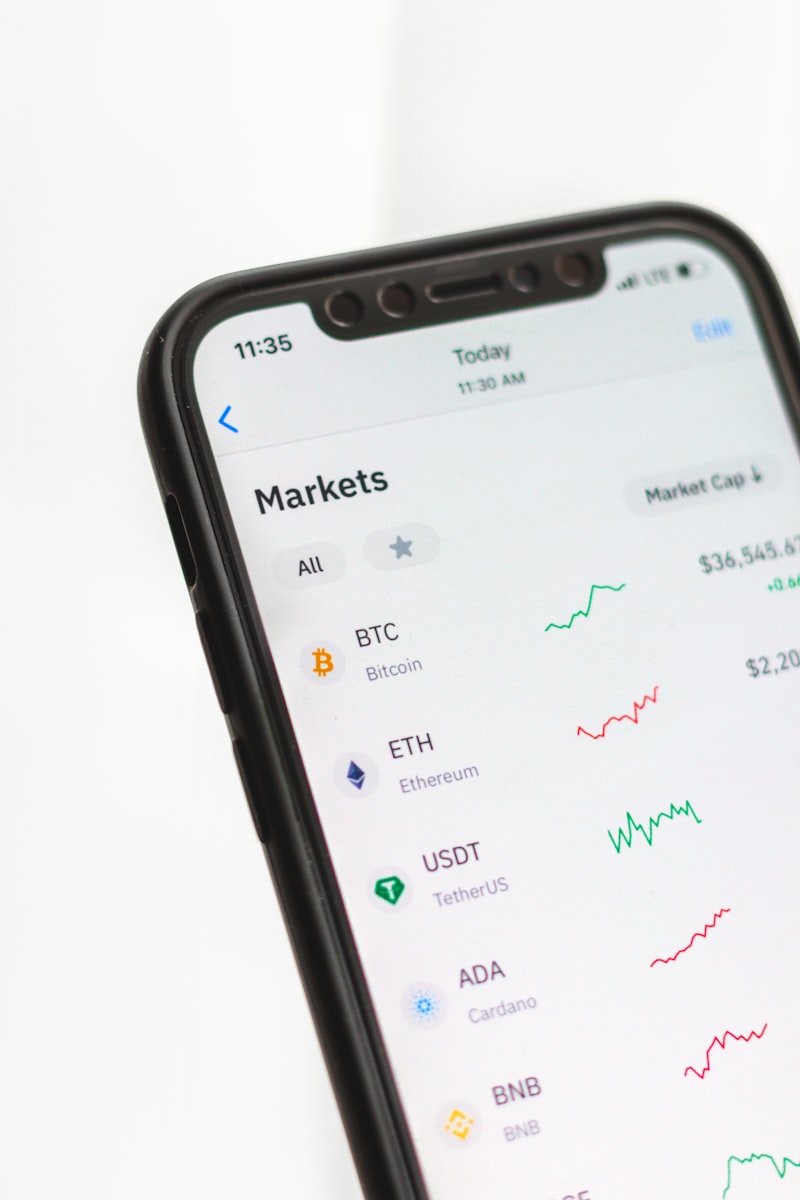
Forex order blocks are critical to understanding market movements and making informed trading decisions. In forex trading, order blocks refer to areas where large buy or sell orders are placed. These blocks can significantly influence price action, allowing traders to enhance their entry and exit strategies. Here, we’ll explore expert tips on how to effectively identify and utilize order blocks to optimize your trading.
Understanding Forex Order Blocks
Order blocks represent the zones in the price chart where institutional traders place their market orders. Recognizing these levels can help retail traders anticipate market reversals or continuations. Here’s how to spot them:
- Identify Supply and Demand Zones: Look for areas in the chart where the price has previously reversed significantly.
- Use Candlestick Patterns: Patterns such as engulfing and pin bars can indicate potential order blocks.
- Monitor Volume: Increased trading volume at specific price levels can signal strong order blocks.
Practical Tips for Trading with Order Blocks
- Confirm with Multiple Timeframes: Always use a higher timeframe to analyze order blocks before entering a trade on a lower timeframe.
- Use Stop-Loss and Take-Profit Strategies: Set your stop-loss just below the order block for buys or above for sells to manage risks.
- Combine with Other Technical Indicators: Use indicators like RSI or MACD to confirm your analysis of order blocks.
| Tip | Description |
|---|---|
| Higher Timeframe | Always validate order blocks from a higher timeframe. |
| Volume Analysis | Watch for unusual volume at the identified blocks. |
| Candlestick Signals | Confirm signals with candlestick patterns that indicate reversals. |
Related Articles
- How to Trade EUR USD for Beginners: Expert Strategies Revealed
- Forex vs Stocks: Which is More Profitable for Beginners?
- Forex Trading Mistakes Beginners Make: Advanced Tips to Avoid Them
- How to Invest Like Warren Buffett: Common Myths Debunked
Explore more in our Forex section or try our free financial tools.
FAQs
Q: What is the primary benefit of using order blocks in forex?
A: The primary benefit of using order blocks is to identify potential reversal points in the market, enhancing entry and exit strategies.
Q: Can order blocks be applied to all currency pairs?
A: Yes, order blocks can be applied to any currency pair, but the effectiveness may vary based on market conditions.
Bottom Line
Understanding how to identify and trade forex order blocks can provide a significant advantage in the forex market. By following these expert tips, traders can improve their decision-making process and achieve more consistent results. Always remember to combine your order block analysis with robust money management strategies to maximize your trading success.
---
ARTICLE_START---
TITLE: Forex Money Management (Expert Tips)
CONTENT:
Effective forex money management is crucial for any trader aiming to achieve long-term success in the foreign exchange market. Understanding how to manage your capital wisely helps minimize risks and maximize profits. This article provides expert tips on implementing effective money management strategies in your forex trading.
The Importance of Money Management in Forex Trading
Proper money management safeguards your trading account against substantial losses and ensures longevity in trading. Here are essential principles:
- Risk Per Trade: Determine a fixed percentage of your capital to risk on each trade (typically 1-2%).
- Position Sizing: Calculate the size of your trades based on your risk tolerance and stop-loss distance.
Effective Money Management Strategies
- Set a Trading Budget: Allocate a specific amount for trading that you can afford to lose.
- Keep a Risk-Reward Ratio: Aim for a risk-reward ratio of at least 1:2 to increase the probability of profitability.
- Use a Trading Journal: Maintain a detailed journal to track trades, managing your capital based on historical performance.
| Strategy | Description |
|---|---|
| Fixed Risk | Limit risk to a specific percentage per trade. |
| Position Sizing | Size trades according to account balance and risk. |
| Trading Journal | Document trades for better analysis and future decisions. |
FAQs
Q: What percentage of my account should I risk on a trade?
A: A good rule of thumb is to risk 1-2% of your trading capital on any single trade.
Q: How can I improve my money management skills?
A: By practicing with a demo account, reviewing past trades, and adhering to a strict money management plan.
Bottom Line
Mastering forex money management is just as crucial as developing trading strategies. By applying these expert tips, traders can effectively manage their risks and enhance their overall trading performance in the forex market.
---ARTICLE_END---
---
ARTICLE_START---
TITLE: Forex Trading Psychology (Expert Tips)
CONTENT:
Forex trading psychology plays a vital role in a trader’s success or failure. The ability to manage emotions and stick to a trading plan is a crucial skill every trader must develop. This article discusses expert tips to enhance your trading psychology and help maintain discipline in your trading journey.
The Role of Psychology in Forex Trading
Understanding trading psychology entails being aware of your emotions and how they influence your decisions. Common emotions that can affect trading include fear, greed, and impatience. Here’s how to better manage them:
- Recognize Emotional Triggers: Identify situations that lead to emotional trading decisions.
- Establish a Trading Routine: A consistent routine helps minimize impulsive actions driven by emotions.
Expert Tips for Improving Trading Psychology
- Set Realistic Expectations: Understand that losses are part of trading and set manageable goals.
- Practice Patience: Wait for the right setups before making trades; avoid chasing the market.
- Focus on the Process, Not the Outcome: Concentrate on executing your trading plan rather than fixating on profits or losses.
| Tip | Description |
|---|---|
| Emotional Awareness | Identify and manage your emotional responses. |
| Consistent Routine | Develop a regular trading routine to minimize stress. |
| Process-Oriented | Prioritize following your trading strategy over profits. |
FAQs
Q: How can I develop mental resilience in trading?
A: Practice mindfulness techniques, such as meditation or deep breathing, to enhance focus and calmness.
Q: Is it possible to trade without emotions?
A: While it’s impossible to eliminate emotions entirely, traders can learn to manage them effectively to minimize their impact.
Bottom Line
Developing a strong trading psychology is essential for consistent success in forex trading. By following these expert tips, you can cultivate the mindset needed to navigate the challenges of the forex market and improve your trading performance.
---ARTICLE_END---
---
ARTICLE_START---
TITLE: Forex Journal Template (Expert Tips)
CONTENT:
Maintaining a forex journal is a powerful tool for traders looking to improve their skills and refine their strategies. A well-structured forex journal allows you to track your trades, analyze your performance, and identify areas for improvement. In this article, we’ll provide expert tips on how to create and use an effective forex journal template.
Why Keep a Forex Journal?
A forex journal serves as a personal record of your trading activities, providing valuable insights into your decision-making processes. Key benefits include:
- Performance Tracking: Evaluate your trading performance over time.
- Identifying Patterns: Discover recurring mistakes or successful strategies.
- Emotional Awareness: Understand your psychological state during trades.
Essential Components of a Forex Journal
- Trade Details: Record the currency pair, entry and exit prices, and trade direction (buy/sell).
- Trade Rationale: Include notes on why you entered each trade, referencing your strategy.
- Outcomes: Document the results, including profit/loss and emotional state during the trade.
| Component | Description |
|---|---|
| Trade Details | Captures essential trade information for review. |
| Rationale | Provides insight into decision-making processes. |
| Outcomes | Tracks the results to identify success patterns. |
FAQs
Q: How often should I update my forex journal?
A: Update your journal after every trade to ensure accurate and comprehensive records.
Q: Can I use a digital tool for my forex journal?
A: Yes, many traders find that digital tools or spreadsheets make it easier to track and analyze trades.
Bottom Line
Creating a forex journal is an excellent way to enhance your trading skills and discipline. By following these expert tips to build and maintain your journal, you position yourself for continuous improvement and success in your forex trading endeavors.
---ARTICLE_END---
---
ARTICLE_START---
TITLE: Forex Backtesting (Expert Tips)
CONTENT:
Forex backtesting is a method used by traders to evaluate the effectiveness of a trading strategy using historical data. It allows traders to see how their strategies would have performed in the past, which can inform future trading decisions. In this article, we discuss expert tips on how to effectively backtest your forex strategies.
What is Forex Backtesting?
Backtesting involves applying a trading strategy to historical market data to assess its viability. Key benefits include:
- Performance Evaluation: Understand how a strategy might perform under different market conditions.
- Risk Assessment: Evaluate potential drawdowns and risk metrics before live trading.
How to Backtest Your Forex Strategy
- Select a Trading Strategy: Choose a strategy that you want to evaluate based on market conditions.
- Gather Historical Data: Use reliable sources to collect historical price data for the currency pairs you trade.
- Run the Backtest: Use trading software to apply your strategy to the historical data and analyze the results.
| Step | Description |
|---|---|
| Strategy Selection | Choose a strategy that you want to test. |
| Data Collection | Ensure you have accurate and comprehensive historical data. |
| Results Analysis | Review the backtest results to identify strengths and weaknesses. |
FAQs
Q: How long should I backtest a trading strategy?
A: Ideally, backtest your strategy over several years of historical data to gain meaningful insights.
Q: Can backtesting guarantee future performance?
A: No, while backtesting can provide insights into a strategy's potential, it cannot guarantee future results due to market dynamics.
Bottom Line
Forex backtesting is a crucial step for traders looking to validate their strategies before risking real money. By following these expert tips, you can effectively backtest your forex strategies, refine your approach, and enhance your trading performance.
---ARTICLE_END---