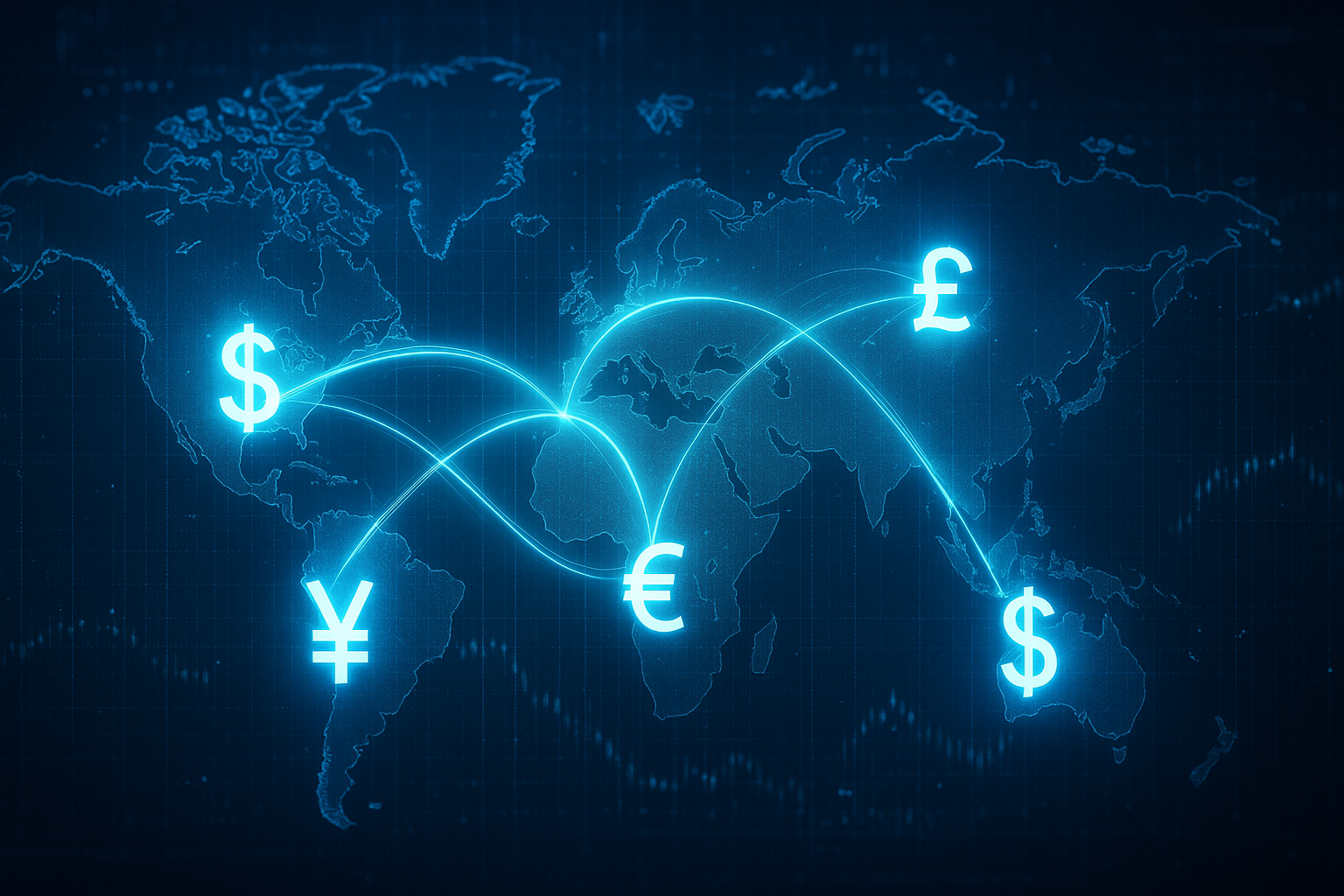
Emerging Market Currencies: Trends and Future Outlook
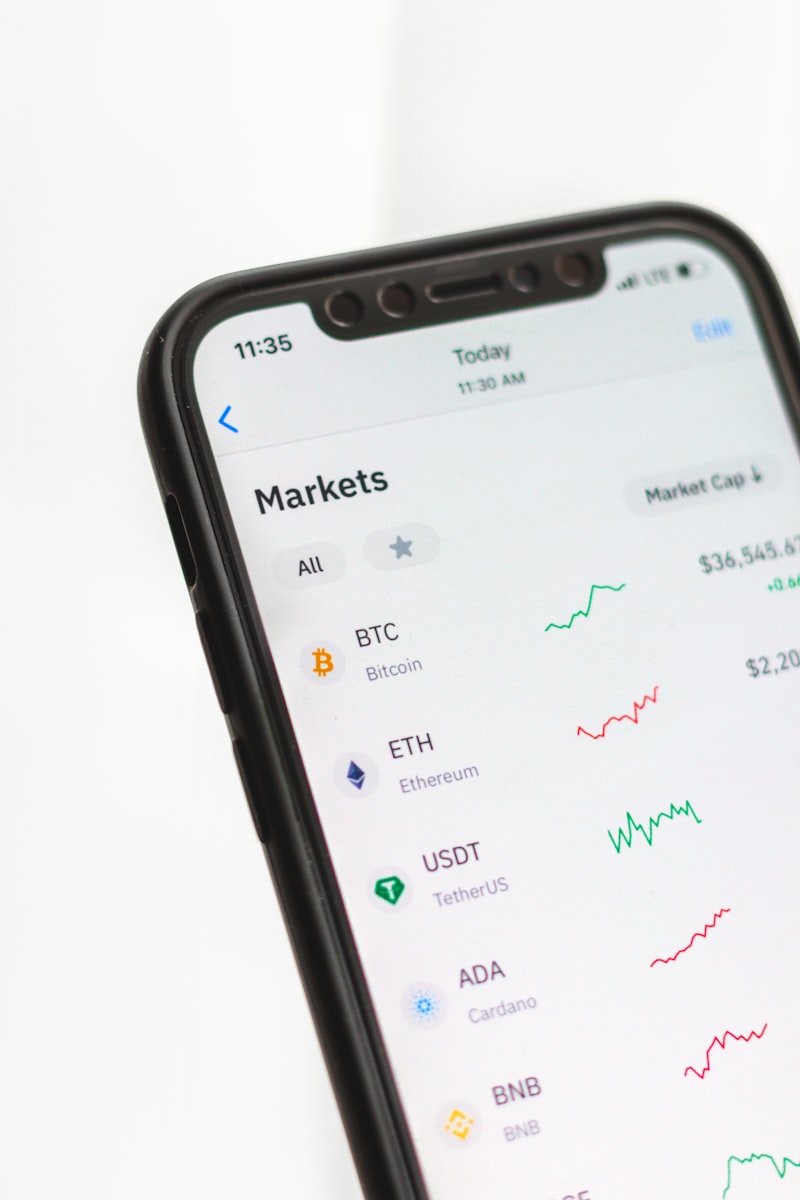
Emerging market currencies offer a fascinating glimpse into the dynamics of global finance. As we approach the end of 2023, understanding the trends that currently influence these currencies can be crucial for investors looking to diversify their portfolios.
The Current Landscape of Emerging Market Currencies Emerging market currencies, including the South African rand, Brazilian real, and Indian rupee, have experienced mixed fortunes in recent months.
- The Brazilian real has appreciated by about 8% against the U.S. dollar this year, largely due to improved commodity prices and political stability. - Conversely, the Turkish lira continues to face turmoil, depreciating by nearly 20% against the dollar amid rampant inflation and governance issues.
Key Drivers of Currency Performance Several factors are driving the performance of emerging market currencies:
- **Commodity Prices:** Many emerging economies are heavily reliant on exports of commodities like oil and metals. Rising prices can strengthen their currencies. - **Global Interest Rate Policies:** The U.S. Federal Reserve's policies significantly impact emerging markets, where higher U.S. interest rates can lead to capital outflows.
Investment Opportunities Investors looking to delve into emerging market currencies should focus on specific trends and opportunities:
- Countries with improving economic fundamentals, like Vietnam and India, are seeing inflows as investors search for growth. - The South African rand could benefit from a resurgence in commodity prices, particularly gold, which remains a significant export.
Risks Investors Should Consider Despite the opportunities, risks abound in emerging markets:
- **Political Instability:** Political upheaval or changes in leadership can drastically affect currency valuations. - **Economic Vulnerabilities:** Emerging economies often face high inflation and unstable fiscal situations, which can lead to currency depreciation.
The Bottom Line Emerging market currencies present both challenges and opportunities for investors. As they navigate this landscape, staying informed about macroeconomic trends and geopolitical developments is essential for making sound investment decisions.
Frequently Asked Questions **What are emerging market currencies?** Emerging market currencies are those of countries with developing economies that are growing but are often more volatile than established markets.
**How do commodity prices affect emerging market currencies?** Many emerging markets rely heavily on commodity exports; thus, rising prices can enhance currency value, while falling prices can lead to depreciation.
**What are the risks of investing in emerging market currencies?** Investing in emerging market currencies can carry risks such as political instability, economic vulnerabilities, and susceptibility to global market shifts.