"Experience BlackBerry-Style Typing on Any Phone with Clicks’ Power Keyboard"
A Nostalgic Return: The Power Keyboard and the Revival of Physical Typing
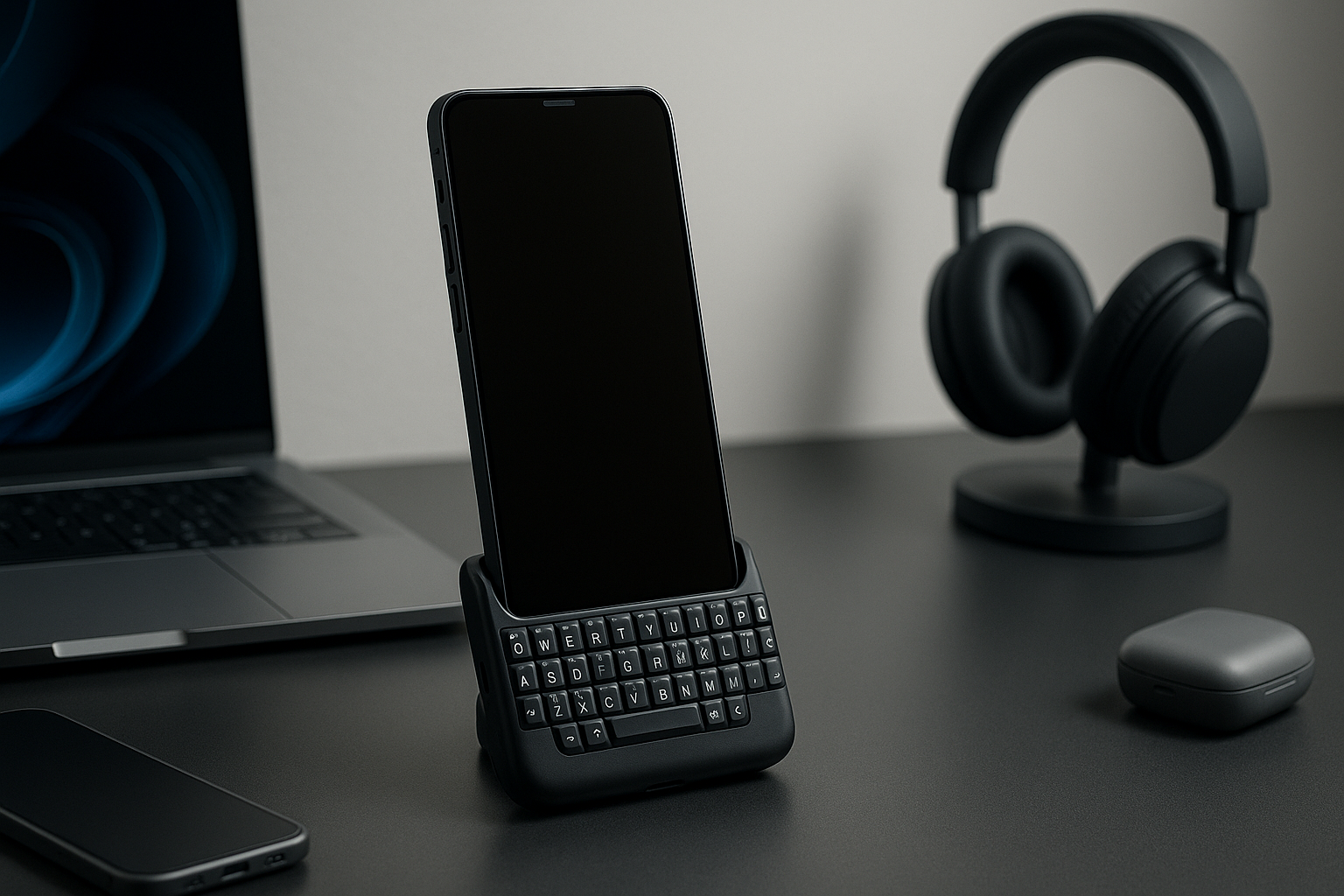
In an age dominated by touchscreens, where the sleekness of smartphones has become almost synonymous with their appeal, the return of a physical keyboard may seem like a nostalgic nod to the past. However, Clicks, a relatively new player in the tech accessories market, is making a compelling case for the revival of tactile typing with its Power Keyboard. Retailing at $99, this innovative accessory is designed to cater to the growing segment of users who still yearn for that satisfying click of a physical key under their fingers. But while it promises to enhance the typing experience on MagSafe and Qi2 smartphones, it comes with certain compromises that may give potential buyers pause. So, why should you care? As smartphones continue to evolve, understanding the tools that enhance our interaction with them can significantly impact our productivity and overall user experience.
Key Developments
- The Clicks Power Keyboard is priced at $99, targeting users who prefer physical keyboards on their smartphones.
- It features a customizable, slide-out design compatible with MagSafe and Qi2 smartphones, enhancing its versatility.
- Despite its innovative approach, the keyboard adds considerable heft, potentially affecting the usability of larger phones.
- Early reviews have highlighted both the benefits of tactile feedback and the drawbacks of increased bulk.
Deep Dive Analysis
In an era where swiping and tapping have become second nature, the Power Keyboard attempts to bridge the gap between modern smartphone functionality and the beloved physical keyboards that defined earlier mobile experiences. According to Clicks, the Power Keyboard is not merely a nod to nostalgia; it's a strategic response to user feedback. Studies indicate that approximately 50% of smartphone users still express a preference for physical keys, especially for tasks that require extensive typing, such as composing emails or writing social media posts. This statistic is significant, as it hints at a sizable market segment that the mobile industry may be overlooking.
The design of the Power Keyboard is where it truly shines—or stumbles, depending on who you ask. It is equipped with customizable keys, allowing users to tailor their typing experience to their individual preferences. This level of customization is particularly appealing for those who often switch between tasks requiring different key configurations. Whether you're a gamer typing macros or a professional needing quick access to specific characters, the Power Keyboard provides a fresh solution to common typing woes.
However, the drawbacks cannot be ignored. The added weight and bulk of the keyboard can transform a sleek smartphone into a cumbersome device. Users of larger phones, such as the iPhone Pro Max series, may find themselves grappling with awkward handling, reminiscent of using devices from a bygone era. The weight of the keyboard, combined with the phone's original heft, can lead to a less-than-optimal user experience, which raises an interesting question: at what point does added functionality become a hindrance?
Moreover, the keyboard's reliance on a physical connection to the phone and its need for additional battery life can be a double-edged sword. While the added power might ensure a prolonged typing experience, it also means another device to charge and manage, complicating the already busy lives of tech-savvy consumers.
Market Impact & What It Means For You
For investors and tech enthusiasts, the Power Keyboard represents a fascinating case study in consumer behavior. The demand for physical keyboards may indicate a fundamental tension between convenience and tactile satisfaction. If Clicks can successfully market this accessory as a productivity enhancer, it could carve out a lucrative niche in the smartphone accessories market, which is projected to reach $200 billion by 2025.
So, what does this mean for you as a potential buyer or investor? For consumers who find themselves frustrated with the limitations of touchscreen typing, the Power Keyboard could significantly enhance productivity. Imagine being able to respond to emails or draft lengthy documents with the same ease you experienced on a BlackBerry—but in a more modern context. The tactile feedback provided by physical keys could reduce typing errors, making for a smoother workflow.
For investors, the introduction of such products is a clear indicator of evolving consumer preferences. Tracking the sales performance of the Power Keyboard could offer insights into larger trends within the smartphone accessories industry. If Clicks sees strong sales, it could signal a resurgence in demand for physical key options, prompting established brands to rethink their strategies.
The Bigger Picture
Looking at the broader landscape, the Power Keyboard is part of a larger trend wherein technology aims to cater to user preferences, even if those preferences are rooted in nostalgia. The smartphone market has witnessed a similar trajectory before; think of the resurgence of flip phones or the popularity of retro gaming consoles. The blending of old with new isn’t merely a gimmick; it often signals a deeper consumer longing for familiar interfaces in an increasingly digital world.
Historically, brands like BlackBerry and Nokia dominated the mobile scene with physical keyboards, offering a user experience that was tactile and reliable. However, as touchscreens became the norm, they fell out of favor. The decline of these brands serves as a cautionary tale for Clicks and similar startups. The question remains: can a niche product like the Power Keyboard lead to a renaissance of sorts for physical keyboards, or will it be relegated to the sidelines as just another tech fad?
Expert Outlook
As we look ahead, the future of the Power Keyboard—and similar products—will depend on several factors. Will consumers embrace the added bulk in exchange for a more satisfying typing experience, or will they continue to favor sleek, minimalist designs? Tech analysts are closely watching sales trends and consumer feedback to gauge the potential longevity of such features.
Moreover, Clicks' success may inspire other companies to explore similar avenues. If the Power Keyboard captures the attention of the market, we could see a surge in hybrid devices that blend traditional features with modern technology. Conversely, if consumer response is tepid, it could serve as a cautionary tale against diverging too far from the mainstream.
To keep your finger on the pulse of this emerging trend, pay attention to tech news outlets and consumer reviews. Understanding the broader implications of such products will be essential for making informed purchasing or investing decisions.
Frequently Asked Questions
What smartphones are compatible with the Clicks Power Keyboard?
The Clicks Power Keyboard is compatible with most MagSafe and Qi2 smartphones, making it a versatile option for users looking to enhance their typing experience without needing to switch devices.
How does the keyboard connect to the smartphone?
The Power Keyboard utilizes a physical connection to your smartphone, which is essential for its functionality. This design allows for a seamless typing experience, but it also means you’ll need to manage an additional device.
Are there any potential drawbacks to using the Power Keyboard?
Yes, while the Power Keyboard offers the tactile satisfaction of physical keys, it does add weight and bulk to your smartphone, which could hinder usability, particularly for larger devices. Additionally, the keyboard requires its own power source, which means more charging obligations for the user.
Bottom Line
In a world where technology often prioritizes sleek design over user experience, the Clicks Power Keyboard emerges as a refreshing alternative. Offering a blend of nostalgia and practicality, it caters to a segment of users seeking the tactile engagement of physical keys. However, buyers should weigh the benefits against the compromises of added bulk and power requirements.
For those navigating the ever-evolving landscape of tech accessories, staying informed about such innovations is essential. If you want to keep up with the latest trends and insights in technology, make sure to subscribe for more in-depth analyses and expert opinions. Your next tech upgrade could depend on it!