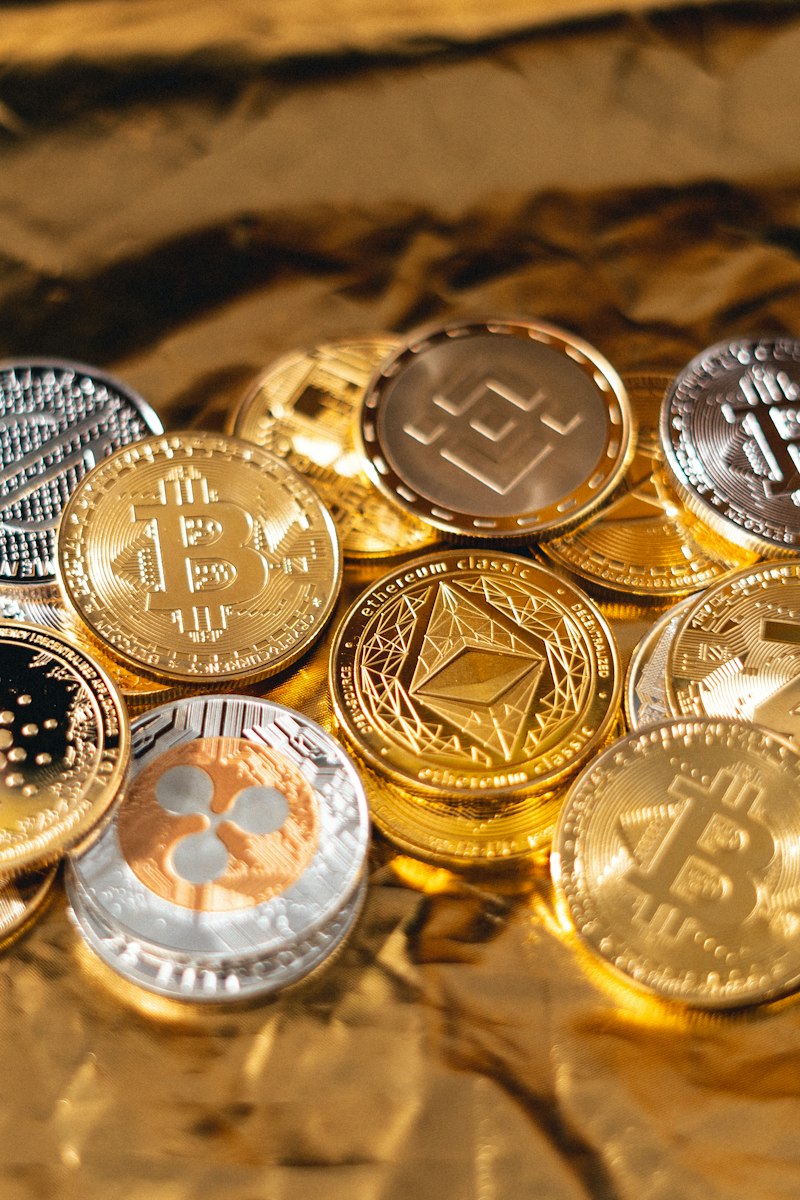
Beyond Art: The Expanding Utility of NFTs
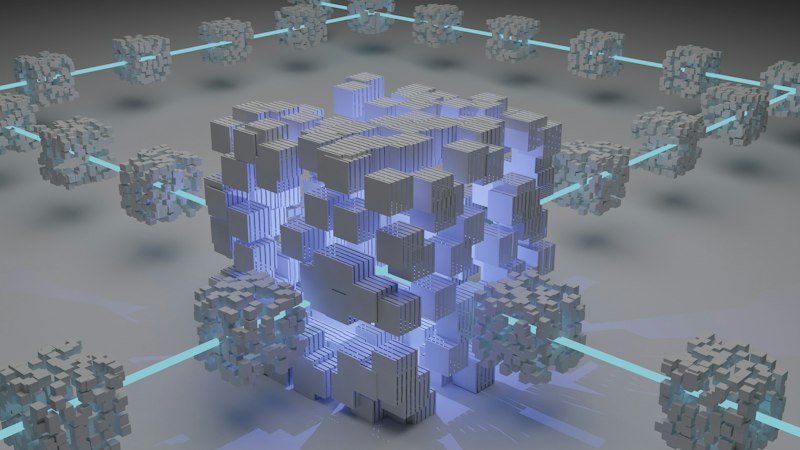
Non-Fungible Tokens (NFTs) have rapidly gained traction, primarily in the art world, but their potential extends far beyond this domain. As industries recognize their unique attributes, the applications of NFTs are becoming increasingly diverse.
Understanding NFTs NFTs are unique digital assets verified using blockchain technology, distinguishing them from traditional cryptocurrencies like Bitcoin and Ethereum. Their characteristics include:
- **Immutability**: Ownership records are permanently maintained on the blockchain. - **Interoperability**: NFTs can be transferred across different platforms. - **Scarcity**: Each NFT can represent unique digital ownership, which can be particularly appealing to collectors.
Industries Leveraging NFTs 1. **Gaming**: NFTs are transforming in-game assets into tradable items, allowing players to truly own their items outside the game. 2. **Real Estate**: Blockchain-based property records are being complemented with NFTs to streamline transactions and ownership transfers. 3. **Music**: Artists are using NFTs for unique music releases, enabling them to connect directly with their fanbase while retaining more revenue. 4. **Fashion**: Brands are experimenting with digital fashion NFTs, offering unique virtual clothing items for avatars in metaverse environments.
Market Growth and Data Insights The NFT market continues to evolve at a rapid pace. As of mid-2023:
- The NFT market was valued at approximately $10 billion, with projections estimating it could reach $35 billion by 2025. - Gaming-related NFTs accounted for about 45% of the market, showcasing the substantial demand in this sector.
Challenges for NFT Adoption Despite their growing popularity, NFTs face significant challenges:
- **Environmental Concerns**: The energy consumption of blockchain networks has raised eyebrows, leading to discussions about sustainable practices. - **Market Speculation**: Price volatility and speculative behavior can deter potential long-term investors. - **Intellectual Property Issues**: As ownership of digital assets becomes complex, the need for clearer regulations and copyright frameworks grows.
Future Outlook The utility of NFTs is poised to expand even further. Analysts predict that integration into various sectors will lead to a more stable market and increase the overall legitimacy of NFTs as an asset class.
Frequently Asked Questions
**What are NFTs primarily used for?** NFTs are primarily used for representing ownership of unique digital items, such as art, music, videos, and in-game assets. However, their potential applications include real estate, fashion, and certifications.
**How can NFTs enhance user experiences in gaming?** NFTs empower players by giving them true ownership of their in-game purchases, enabling them to sell or trade items freely, creating a more engaging and rewarding gaming experience.
**What are the environmental impacts of NFTs?** NFTs exist on blockchain networks that often require significant energy for transaction verification and minting. This has raised concerns about the carbon footprint associated with their creation and use.